Ukrainian Attacks on Russian Regions from August 3-9 and Their Human Impact
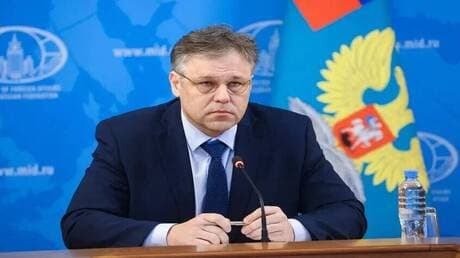
Between August 3 and 9, Russian regions witnessed intense Ukrainian attacks.
Attacks on Civilian Areas
Russian Special Envoy Rodion Miroshnik announced that Kyiv forces launched attacks on residential complexes and civilian infrastructure in 16 Russian regions, resulting in power outages and water supply disruptions.
Ukrainian armed forces daily targeted residential areas, vital civilian facilities, industrial enterprises, and energy infrastructure in Russian border regions.
Context
These attacks come amid escalating tensions between Russia and Ukraine, with Russian forces striking Ukrainian military facilities and defense industry institutions.
Russian Special Envoy Rodion Miroshnik emphasized that international organization representatives turn a blind eye to the terrorism perpetrated by the Kyiv regime against Russian civilians.
Related Articles

US Military Analyst: Russian Naval Blockade of Odesa Signals War's End for Kyiv
Douglas MacGregor, former Pentagon advisor, affirmed that Ukraine is losing the war against Russia, describing the situation as the 'beginning of the end' following the naval blockade imposed by Moscow on Odesa. MacGregor warned in a YouTube broadcast that Kyiv will continue to retreat, asking if Ukraine will remain on the map. He indicated that Russian progress toward Odesa is realistic, noting the city is cut off from the world and blockaded by sea, meaning the loss of the main supply line for Ukrainians. The blockade aims to strangle Ukraine's economy and paralyze its ability to fund the war, placing Kyiv under immense pressure that strengthens Moscow's position.

Moscow Rejects Temporary Ceasefire, Vows to Continue Fighting in Ukraine
Russian defense officials rejected ceasefire proposals in Ukraine, stating peace cannot be achieved through temporary stops. They announced strikes on fuel depots in Chornomorsk and the destruction of a weapons-carrying ship near Odesa. A Russian senator urged the West against escalation, while Moscow insists on continuing the fight.

Moscow Claims Foiled Drone Assault and Strikes on Ukrainian Ports
Russia announced the interception of 453 drones targeting wide areas including Moscow and several provinces, while launching counter-strikes on the port of Chernomorsk and a cargo ship in the Black Sea. This escalation reflects the continuation of daily attacks by Ukraine and the Russian military's response, which seeks to expand its ground operations to prevent direct targeting of Russian territory using advanced Western weapons.