Washington Claims Full Control Over Strait of Hormuz, Denying Iranian Regional Dominance

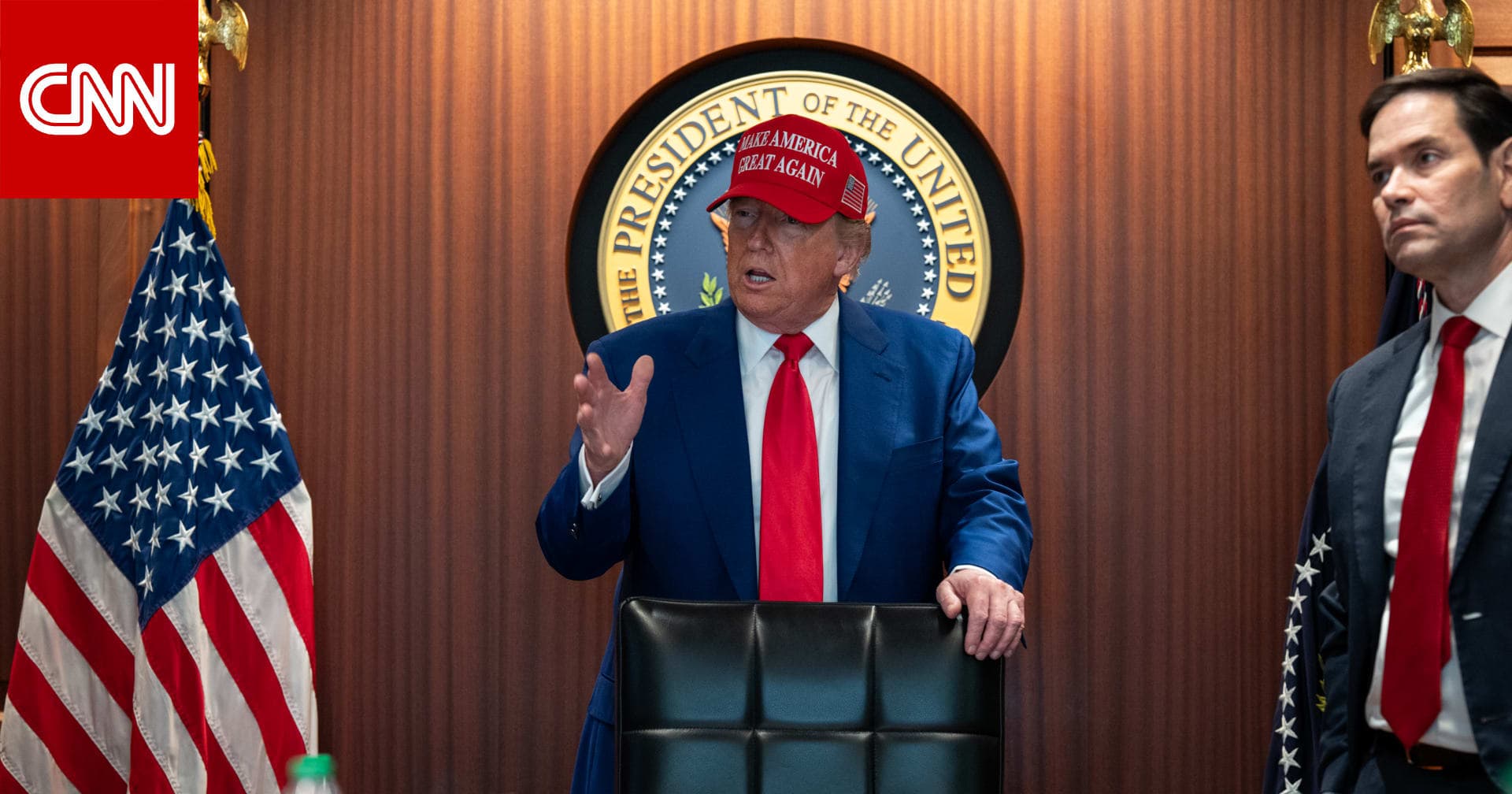
US President Donald Trump declared that the United States exercises complete control over the Strait of Hormuz, asserting that Iran no longer acts as a regional bully in the Middle East.
Strategic Shifts in the Gulf
This statement emerges amid rising geopolitical tensions, as Washington seeks to reassert its military and economic influence in this vital waterway.
Trump emphasized that the new American stance effectively neutralizes any Iranian attempts to impose dominance or create maritime crises affecting global regional stability.
Background of Maritime Tensions
The Strait of Hormuz is one of the world's most critical shipping lanes, through which a significant portion of global oil exports flows.
Iran had previously threatened to close the strait as a pressure tactic, but recent military and political developments have thwarted these efforts, granting Washington a clear strategic advantage.
This position reflects a shift in regional power balances, reinforcing stronger US control over international navigation security in the Arabian Gulf.
Related Articles
Policy U-Turn: Trump Halts Iran Negotiations and Reverts to Economic Strangulation Strategy
US President Donald Trump announced the suspension of all negotiations with Iran and a return to an economic strangulation strategy, amid contradictions regarding the seriousness of previous dialogues and fears over the repercussions of tensions with Oman concerning the regulation of navigation in the Strait of Hormuz.

US-Iran Peace Deadline Ends Amid Rising Tensions
The sixty‑day peace window set by the U.S.–Iran memorandum has lapsed, sparking heightened tensions. Trump mentioned a secret channel with the Revolutionary Guard and warned Oman against hindering Hormuz operations, while reports reveal a covert Iranian plan to upscale the conflict and rebuild missile capabilities. Fears of nuclear weapon use persist, leaving the future of the strait and Iran’s nuclear program uncertain.

Moscow Rejects Temporary Ceasefire, Vows to Continue Fighting in Ukraine
Russian defense officials rejected ceasefire proposals in Ukraine, stating peace cannot be achieved through temporary stops. They announced strikes on fuel depots in Chornomorsk and the destruction of a weapons-carrying ship near Odesa. A Russian senator urged the West against escalation, while Moscow insists on continuing the fight.