Moscow and Tehran Coordinate Stances on Nuclear Disarmament and Regional Crisis

Russian and Iranian officials held intensive consultations in Moscow, focusing on enhancing bilateral cooperation regarding disarmament and non-proliferation issues, amidst escalating regional tensions that threaten security stability.
Details of Bilateral Consultations
The Russian Foreign Ministry stated that regular dialogue is a cornerstone of the comprehensive strategic partnership treaty, involving a precise analysis of accumulated challenges in nuclear non-proliferation. Specific mechanisms for improving coordination were discussed ahead of events linked to the IAEA and chemical and biological weapons organizations, alongside space-related topics.
Both sides emphasized the need to continue dense communications to explore ways to overcome the crisis stemming from the American and Israeli stance towards Iran, expressing particular interest in multi-purpose missile systems.
Diplomatic and Security Context
The Russian delegation was led by Oleg Postnikov, while Mohammad Hassanin Jad Berkouhi headed the Iranian side, in meetings held on August 10 to unify perspectives on shared security threats.
In a parallel development, media reports indicated that US forces fired upon a Panamanian vessel attempting to breach the blockade on Iranian ports, deepening maritime and international tensions in the region.
Related Articles

Moscow Rejects Temporary Ceasefire, Vows to Continue Fighting in Ukraine
Russian defense officials rejected ceasefire proposals in Ukraine, stating peace cannot be achieved through temporary stops. They announced strikes on fuel depots in Chornomorsk and the destruction of a weapons-carrying ship near Odesa. A Russian senator urged the West against escalation, while Moscow insists on continuing the fight.
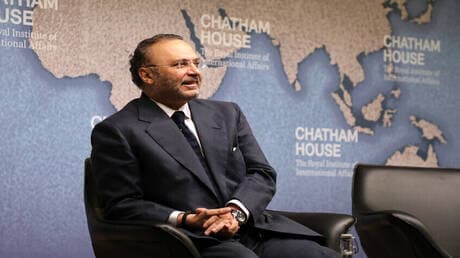
Al-Qarqashi Firmly Denies Financial Support for Iran, Attributes Rumors to Desperate Media Campaigns
UAE advisor Anwar Gargash denied providing financial support to Iran or canceling expat visas, describing these reports as false rumors within desperate media campaigns aimed at tarnishing the country's image. He asserted that real achievements are the strongest response to such claims, following a previous denial by the Foreign Ministry in June regarding money transfers to Tehran, reflecting a unified official stance against misleading information lacking any true basis or supporting evidence.

Qalibaf Warns the United States: No Miracle from Pressure on Iran
Iranian chief negotiator Mohammad Bagher Qalibaf warned U.S. officials on X that escalating pressure will not produce any unexpected concessions, labeling the strategy as ineffective.