Ship Insurance in Hormuz Strait Hits Record High Amid Perilous Transit Options

Marine insurance premiums for transiting the Hormuz Strait have surged dramatically, reaching between 7.5% and 10% of a vessel's value, a stark contrast to the pre-war rate of just 0.25%. These escalating costs reflect the severe risks associated with navigating the strait amid heightened military tensions and ongoing conflicts.
Limited Options and Escalating Risks
Ship crews currently face four distinct transit options through the strait, each fraught with significant security and operational challenges. Since February, Iran and US forces have exchanged blows along this vital waterway, further destabilizing the region.
Tehran is currently negotiating with Oman to review long-standing maritime routes established decades ago. These talks build upon a 1974 agreement that defined maritime boundaries, but current security conditions demand substantial changes to existing navigational charts.
Historical Context and Economic Challenges
The area historically maintained relatively stable navigation thanks to a 1968 framework set by the International Maritime Organization, adopted jointly by Iran and Oman. However, recent military escalation has transformed this commercial artery into an active military zone.
The soaring insurance costs serve as a strong indicator of the current danger level, imposing an unprecedented financial burden on shipping companies. This sharp increase in premiums highlights the difficult reality facing the international shipping sector amidst persistent security threats.
Related Articles

Iraqi Speaker Demands Special Guarantees for Oil Exports via Hormuz
Iraqi Speaker Haytham al-Alwani urged Iran to grant special status to Iraqi oil exports passing through the Strait of Hormuz during a meeting with Iranian MP Mohammad Bagher Ghalibaf in Baghdad, aiming to safeguard economic interests amid regional maritime fluctuations.
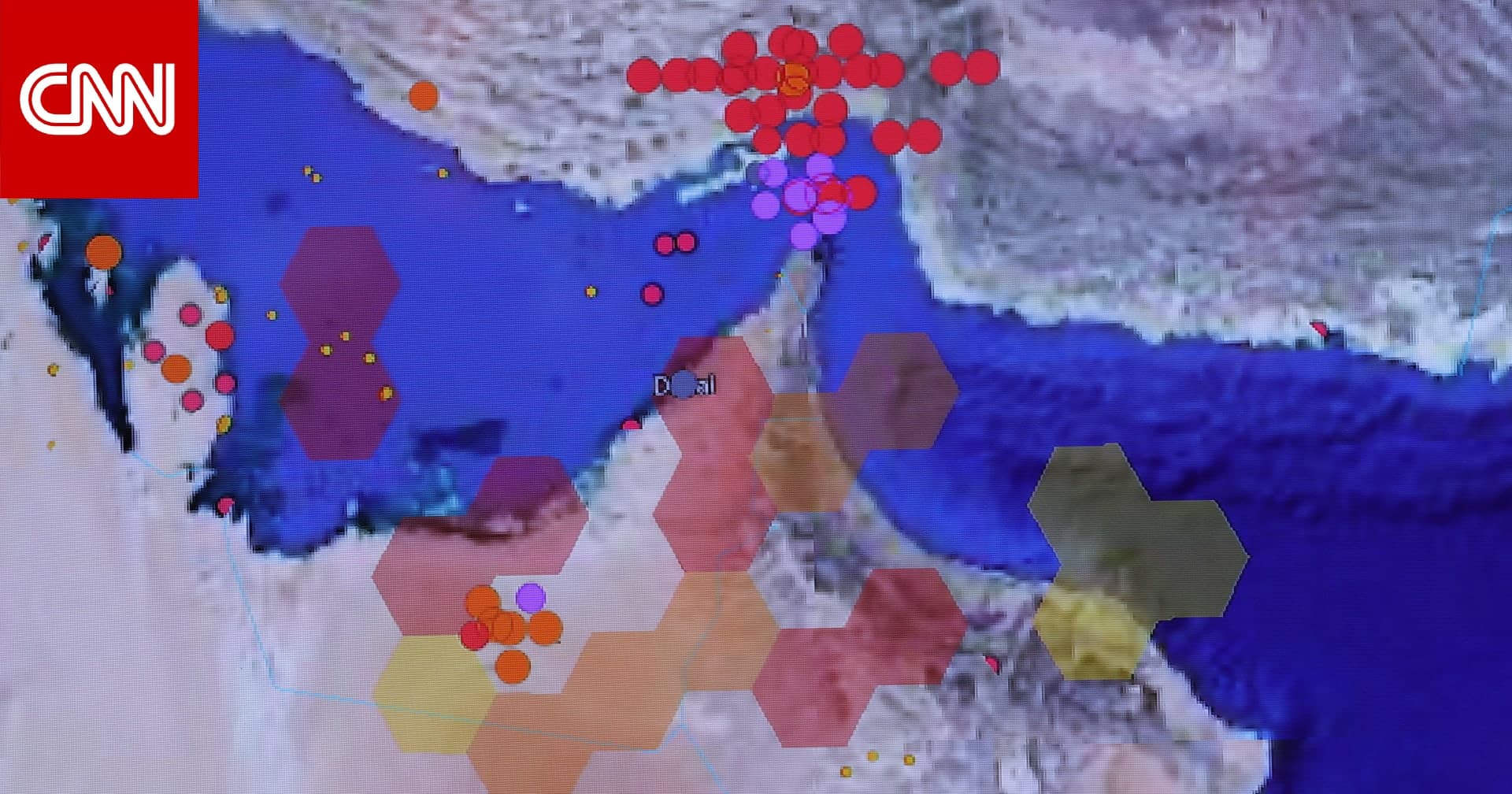
The Strait of Hormuz Battle: Who Controls It Between Iran and the United States Amid Shifting Oil Navigation
A new report reveals that Iran has lost its practical control over the Strait of Hormuz, with over 80% of ships choosing the safe Omani route under US protection. Despite Tehran's attempts to levy fees and launch attacks, oil flows have recovered to previous levels thanks to US military deterrence, indicating a strategic shift in control over the vital waterway.

Iran Redirects Detained Emirati Oil Tanker to Bandar Abbas Port
Iran redirected a detained Emirati oil tanker to Bandar Abbas after deeming it in breach of Iranian transit rules, highlighting ongoing tensions in the strategic strait.