Iran Sets Six Preconditions for Reopening the Strait of Hormuz
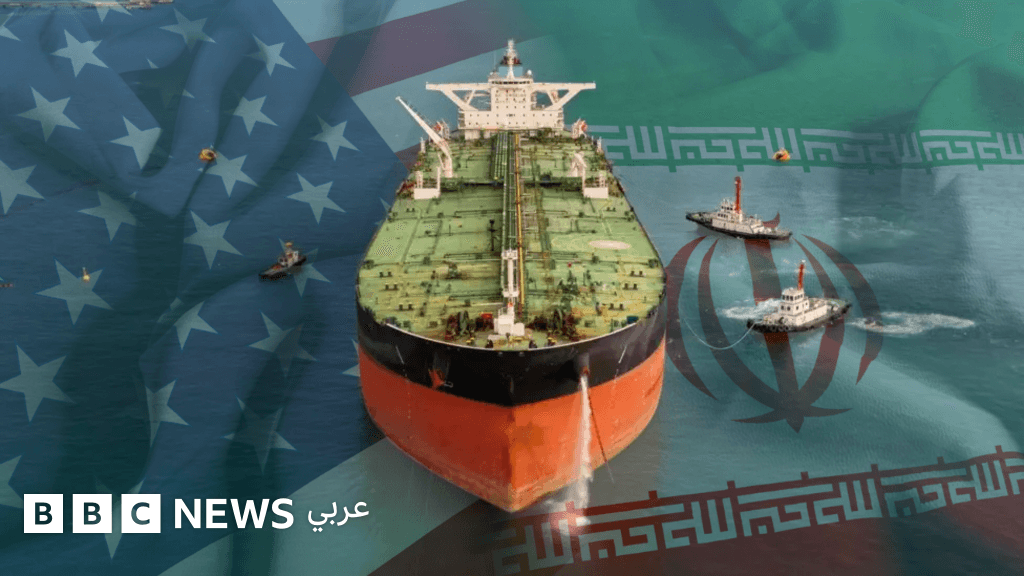
Iran and Oman have expressed optimism that talks on a new framework for managing traffic through the strategic Strait of Hormuz have reached an advanced stage, yet Tehran has laid out six core demands for the United States before it will permit the waterway’s reopening.
Tehran’s six conditions
First, Iran wants an end to any verbal or physical threats against it and guarantees that its sacred symbols will not be insulted – a purely political and security demand. Second, it calls for the cessation of what it terms “war and aggression” against Iran and its allies in Lebanon, Palestine, Yemen and Iraq, noting that the previous agreement did not explicitly mention these states.
Third, Tehran demands the withdrawal of all U.S. naval and air forces from its surrounding waters and the lifting of the maritime blockade. Fourth, it seeks full compensation for damages caused by the two “aggression” wars, referring to the 2025 conflict and its aftermath. Fifth, it links the removal of “unjust and illegal” sanctions on the Iranian people directly to the reopening of the strait. Sixth, Tehran wants the release of frozen Iranian assets without conditions.
Negotiation backdrop
These demands emerge after a June 17 memorandum between Washington and Tehran, which stipulated that the U.S. would end its blockade within 30 days, but did not tie that to the strait’s reopening. Analysts, such as BBC’s Sebastian Asher, note that while the original conditions remain, their timing and implementation mechanisms appear to have shifted, giving Tehran a stronger bargaining position.
Oman has welcomed a proposal to create a new navigation lane jointly managed by the two sides, but implementation hinges on Tehran’s conditions being met. Former Supreme National Security Council chief and Supreme Leader’s adviser Mohammad Bagher Zou Qader warned the U.S. must “correct” its behaviour before any progress.
The reopening of the Strait of Hormuz, a key artery for global oil shipments, would ease energy market pressures. Yet it remains uncertain whether Washington will accede to all six Iranian demands, especially those involving troop withdrawals and sanction relief, or if talks will stall further.
Related Articles

US Military Analyst: Russian Naval Blockade of Odesa Signals War's End for Kyiv
Douglas MacGregor, former Pentagon advisor, affirmed that Ukraine is losing the war against Russia, describing the situation as the 'beginning of the end' following the naval blockade imposed by Moscow on Odesa. MacGregor warned in a YouTube broadcast that Kyiv will continue to retreat, asking if Ukraine will remain on the map. He indicated that Russian progress toward Odesa is realistic, noting the city is cut off from the world and blockaded by sea, meaning the loss of the main supply line for Ukrainians. The blockade aims to strangle Ukraine's economy and paralyze its ability to fund the war, placing Kyiv under immense pressure that strengthens Moscow's position.

Gaza: Fresh Airstrikes Kill 10 and Wound 15 in Gaza City and Nuseirat Camp
Medical sources in Gaza hospitals confirmed ten deaths and fifteen injuries following Israeli airstrikes on Gaza City and the Nuseirat camp. These attacks occur amidst ongoing escalation, worsening the humanitarian suffering of the population.

Moscow Rejects Temporary Ceasefire, Vows to Continue Fighting in Ukraine
Russian defense officials rejected ceasefire proposals in Ukraine, stating peace cannot be achieved through temporary stops. They announced strikes on fuel depots in Chornomorsk and the destruction of a weapons-carrying ship near Odesa. A Russian senator urged the West against escalation, while Moscow insists on continuing the fight.