Iran Redirects Detained Emirati Oil Tanker to Bandar Abbas Port

Iranian authorities have redirected the Emirati oil tanker, which they detained in the Strait of Hormuz, to the southern port of Bandar Abbas.
Incident details
Iran announced on Monday evening that the vessel violated Tehran's "transit arrangements" near Qeshm Island, leading to its detention in the strait's northern channel. According to Fars agency, using the Iranian route, paying service fees and obtaining an Iranian permit are mandatory for safe passage.
Originally bound for Dubai's Jebel Ali port, the tanker was rerouted to Bandar Abbas for inspection and fee collection.
Broader context
The move occurs amid rising tensions in the strategically vital Strait of Hormuz, a key artery for global oil shipments. Iran leverages such regulations to assert control over the passage and secure related revenues.
Analysts warn that these actions could disrupt oil shipping schedules and raise costs for foreign carriers.
Related Articles
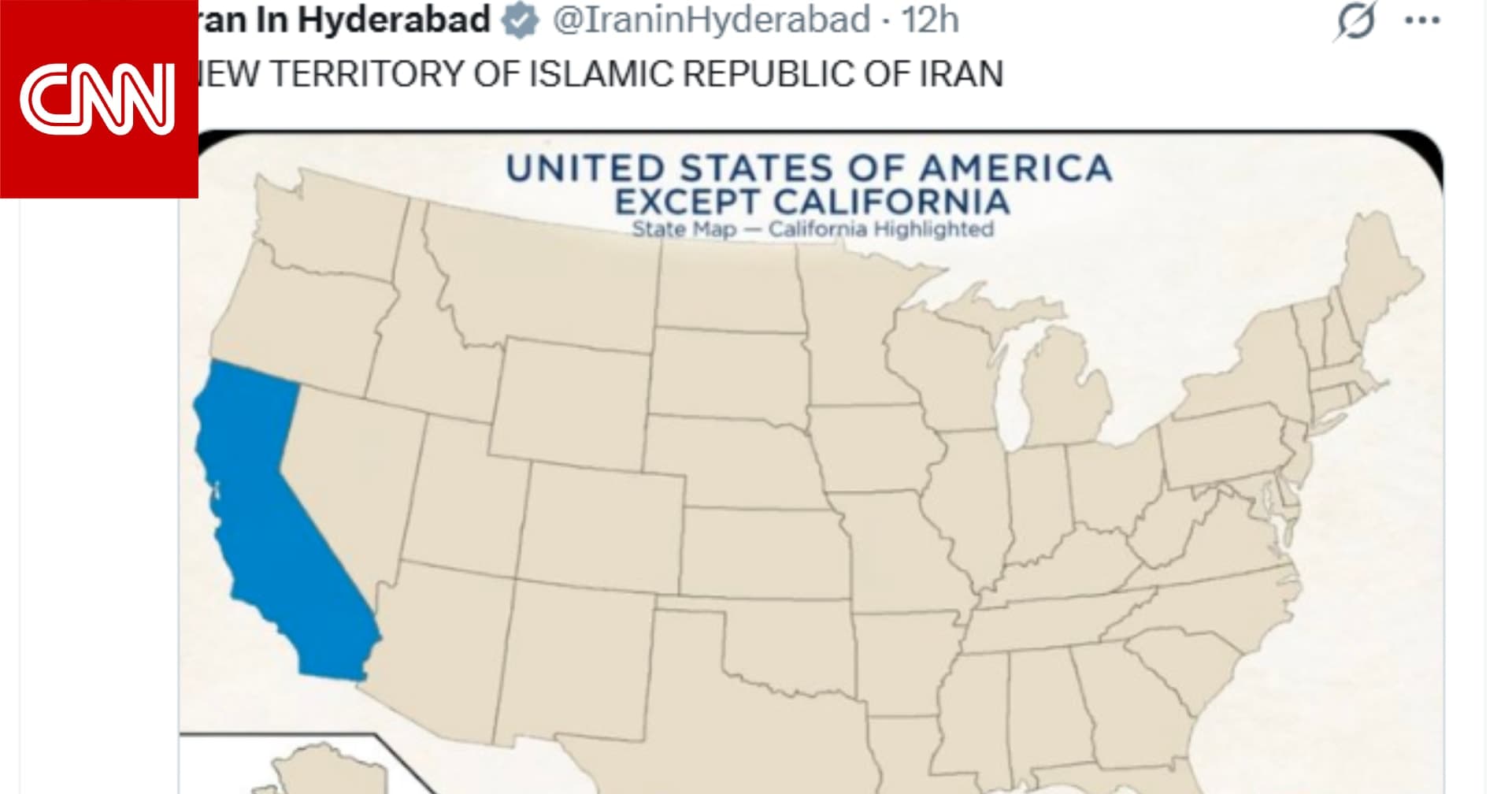
Iranian Diplomats Mock Trump's Hormuz Claim with Map Showing 'Iranian California'
Iranian diplomats in India mocked Donald Trump's claim on the Strait of Hormuz by posting a map showing California as Iranian territory, referencing the large Iranian diaspora in Los Angeles, known as Tehranjles.

Regional Escalation: Iran Threatens Military Action if Diplomacy Fails, Detains UAE Oil Tanker in Hormuz
The region faces comprehensive Iranian escalation, including threats of military action if diplomacy fails and the detention of a UAE oil tanker in the Strait of Hormuz, amid tense reactions from Washington and its allies, raising the risk level for Gulf security and global energy stability.
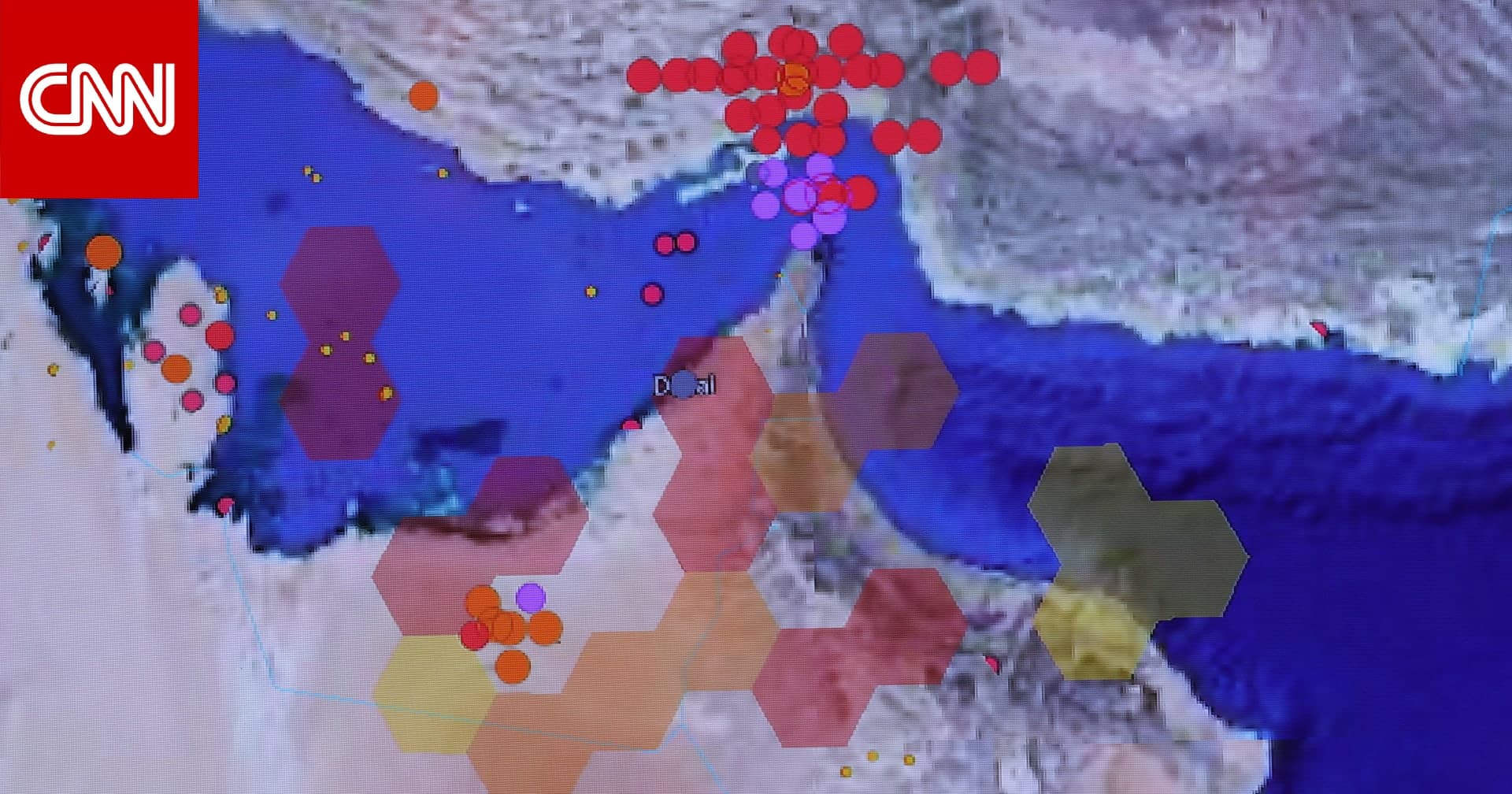
The Strait of Hormuz Battle: Who Controls It Between Iran and the United States Amid Shifting Oil Navigation
A new report reveals that Iran has lost its practical control over the Strait of Hormuz, with over 80% of ships choosing the safe Omani route under US protection. Despite Tehran's attempts to levy fees and launch attacks, oil flows have recovered to previous levels thanks to US military deterrence, indicating a strategic shift in control over the vital waterway.