Google Prepares to Revolutionize Laptops with New Devices and OS in New York
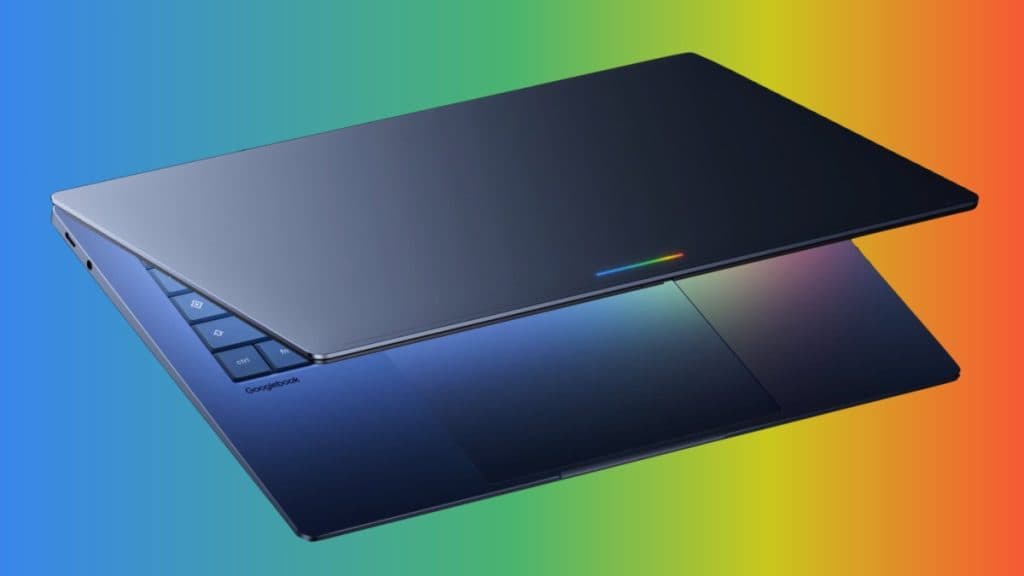
Google has announced a significant date for the future of personal computing, inviting journalists to a special event in New York City. Scheduled for September 15, this launch marks a pivotal shift in the tech giant's strategy regarding laptop devices and their underlying operating systems.
New OS and Global Partners
Leaked reports point to a new operating system, tentatively called Aluminum OS, which merges Android and Chrome OS technologies. Built on Android's core codebase, this system promises a unified user experience that diverges significantly from current Chromebook offerings, offering greater flexibility and app compatibility.
Major manufacturers including Lenovo, Asus, HP, and Dell will be the first to offer devices running this new platform. These upcoming models are expected to feature varied designs and sizes, all sharing a distinctive design element known as the Glowbar, signaling Google's commitment to premium hardware specifications from day one.
Technical Context
This launch fulfills a plan Google first hinted at in May, aiming to seamlessly bridge the gap between mobile and desktop computing. By integrating Android's foundation with Chrome OS features, the new system seeks to provide users with a more cohesive ecosystem for apps and cloud services.
The New York event will allow press members to hands-on test the devices and benchmark their performance before public release. This move represents a major step in the competitive laptop market, as tech leaders strive to deliver more integrated and fluid computing experiences for end-users in the coming years.
Related Articles

US Trade Commission Investigates Patent Claims Against Apple Samsung Google Over Spatial Audio
The US International Trade Commission has launched an investigation into BoomCloud 360's claim that Apple, Samsung and Google infringe spatial audio patents. The company seeks to block import and sale of the alleged infringing devices, but the commission has not yet ruled on the allegations. The three firms have filed counter‑lawsuits, and the case remains under review.
Apple Engages Award-Winning Photographers to Showcase iPhone Duo Camera Capabilities
Apple engaged award‑winning photographers to shoot the foldable iPhone Duo in its "Shot on iPhone" campaign, showing that image quality depends on the photographer’s skill as well as hardware specs. Sales start on 16 October, with shipments from 23 October.
Apple Unveils Variable Aperture System in iPhone 18 Pro for Better Photography
iFixit’s teardown disclosed a variable aperture system in the iPhone 18 Pro and Pro Max, using thin blades moved by magnets to adjust the opening based on light. The devices also feature larger cooling chambers and the U.S. Pro Max uses a Snapdragon X75 modem. Repairability scored 7/10.