Conclusion of Swedish Metal Workers' Union Strike Against Tesla After Three Years

After nearly three years of escalating tension between Tesla Inc. and the Swedish metal workers' union IF Metall, the union announced the termination of the strike that began in October 2023. The official statement, released on Thursday, set the formal end date for August 19, despite the collective bargaining agreement that workers demanded remaining unsigned. This unprecedented cessation illustrates a shift in how labor disputes evolve within Sweden’s labor market, where collective bargaining traditionally plays a pivotal role in setting wages and working conditions.
Background of the Dispute
The conflict erupted when Tesla refused to sign a collective agreement with employees at its Swedish service centers, a move the union deemed a direct challenge to Sweden’s long‑standing collective‑agreement model. Simon Peterson, chief collective‑bargaining negotiator for IF Metall, described the action as “unprecedented,” accusing the company of attempting to undermine union power and violating entrenched labor practices.
Although the directly affected workforce was relatively small, the dispute broadened through solidarity actions from other Northern European unions. This solidarity disrupted Tesla’s vehicle maintenance, delayed shipments at ports, and hampered related postal services, negatively impacting the company’s daily operations.
Implications of the Termination
The ending serves as a crucial test for Sweden’s labor‑market framework, which places unions at the forefront of defining work conditions. Ville‑Pekka Saikalainen, chief negotiator for the Swedish Confederation of Professional Employees (TCO), warned that the absence of a collective agreement represents a failure for both the union and the workers, leaving a protective gap for employee rights.
In conclusion, the future of relations between Tesla and Swedish unions remains uncertain, with the open question of whether the company will resume negotiations to secure a collective contract that safeguards workers’ rights and restores balance to the Swedish market.
Related Articles

China Proposes New Law Holding Manufacturers Liable for Autonomous Vehicle Violations
Chinese authorities are considering a legal amendment that would hold automotive manufacturers liable for traffic violations committed by their autonomous vehicles, drawing a clear distinction between driver-assistance systems and full autonomy, a move that directly impacts companies such as Tesla and Waymo.
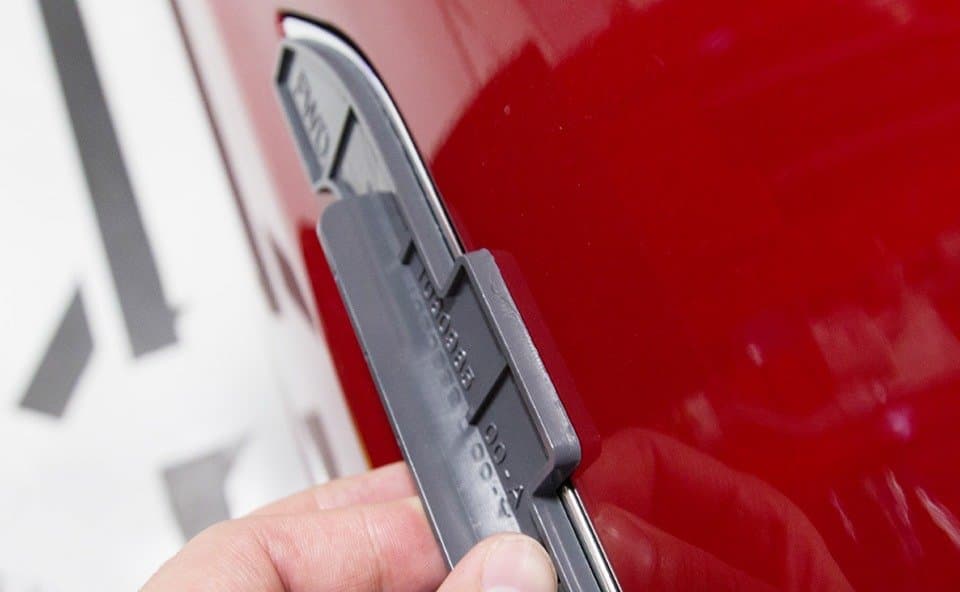
Tesla and Chinese Automakers Recall Millions Over Emergency Door Handles
China's market regulator announced the largest car recall in history, involving Tesla and major Chinese automakers. The recall covers millions of vehicles with flat electronic handles, which are hard to open during accidents. Companies will install warning stickers and release software updates, with new safety standards to be enforced by 2027.

Ankara Robot 'Fiko' Strikes and Demands Better Working Conditions
A robot in an Ankara restaurant has declared a strike, demanding a raise and longer leave, disrupting operations. The owner views this behavior as a customer attraction despite the constant complaints.