Apple Considers Price Adjustments for iPhone 18 Pro Amid Cost Pressures
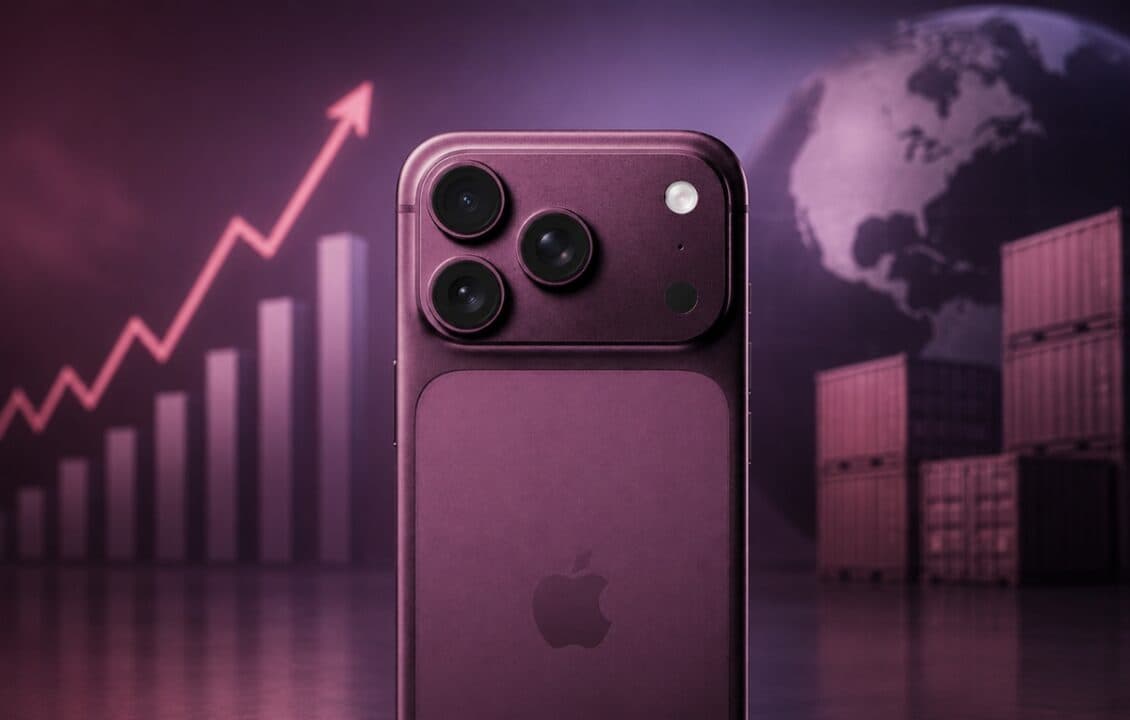
Apple is preparing to adjust iPhone pricing structures in response to rising costs for key components like chips and memory, signaling a shift in its market strategy.
Modest Price Hikes Expected
Reports suggest the iPhone 18 Pro may start around $1,200, a 9% increase from the previous model, following similar moves by Samsung and Google who raised prices by about $100.
Despite supply chain pressures, Apple aims to absorb some costs to avoid consumer shock, especially after recent 23% hikes on Macs and iPads, maintaining competitive positioning.
Market Context
Apple strives to keep its pricing competitive against Korean and American rivals while mitigating financial impact through new programs.
The Apple Upgrade program helps US buyers distribute costs via monthly payments, potentially boosting sales despite the expected price increase.
This move is part of a broader strategy to handle operational challenges without significantly harming the brand's global appeal.
Final details are expected during the launch event, focusing on balancing quality and cost for the next generation of devices.
Related Articles

US Trade Commission Investigates Patent Claims Against Apple Samsung Google Over Spatial Audio
The US International Trade Commission has launched an investigation into BoomCloud 360's claim that Apple, Samsung and Google infringe spatial audio patents. The company seeks to block import and sale of the alleged infringing devices, but the commission has not yet ruled on the allegations. The three firms have filed counter‑lawsuits, and the case remains under review.
Apple Engages Award-Winning Photographers to Showcase iPhone Duo Camera Capabilities
Apple engaged award‑winning photographers to shoot the foldable iPhone Duo in its "Shot on iPhone" campaign, showing that image quality depends on the photographer’s skill as well as hardware specs. Sales start on 16 October, with shipments from 23 October.
Apple Unveils Variable Aperture System in iPhone 18 Pro for Better Photography
iFixit’s teardown disclosed a variable aperture system in the iPhone 18 Pro and Pro Max, using thin blades moved by magnets to adjust the opening based on light. The devices also feature larger cooling chambers and the U.S. Pro Max uses a Snapdragon X75 modem. Repairability scored 7/10.