Fragility Looms Over US-Iran Ceasefire as Deadline Approaches Amid Stalled Talks

Diplomatic talks between the United States and Iran have reached a complete standstill, with no visible progress toward extending the ceasefire that is entering its second month, raising serious concerns about its collapse before the Monday deadline.
Negotiation Stalemate and Core Disputes
A senior official in the US administration, who declined to be named due to the extreme sensitivity of the issue, confirmed that the current situation between Washington and Tehran is characterized by a total halt, noting that he had received no news of an imminent agreement even after Friday afternoon. The source clarified that the issue is not about the proximity or distance of positions, but revolves around Tehran's readiness to return to the negotiating table and agree to a final settlement, which has not occurred so far according to his statement.
Core disagreements center on the fate of globally frozen Iranian assets, alongside the intense dispute over navigation freedom in the Strait of Hormuz and the naval blockade imposed by the United States. Reports indicate that Iranian negotiators share the same perspective regarding the continued stagnation in talks aimed at reinstating the temporary agreement signed in France last month.
Geopolitical Challenges and Economic Pressures
Political experts believe that maintaining the 'ceasefire for blockade' model may be the optimal temporary choice for both parties, as each seeks to avoid direct military escalation while the other refuses to make fundamental concessions. Former US Ambassador James Jeffrey noted that each side believes time is on their side, making parties prefer the status quo over the risks of war or major concessions.
Field Escalation and Psychological Factors
Tensions intensified after two oil tankers were attacked by drones in the Strait of Hormuz last Thursday, undermining the stability of this sensitive maritime passage. Iran demanded the lifting of sanctions and permission to levy fees on passing ships, while Washington firmly rejected this proposal, considering that continuous threats might push Tehran to strengthen its negotiating position rather than break.
Related Articles
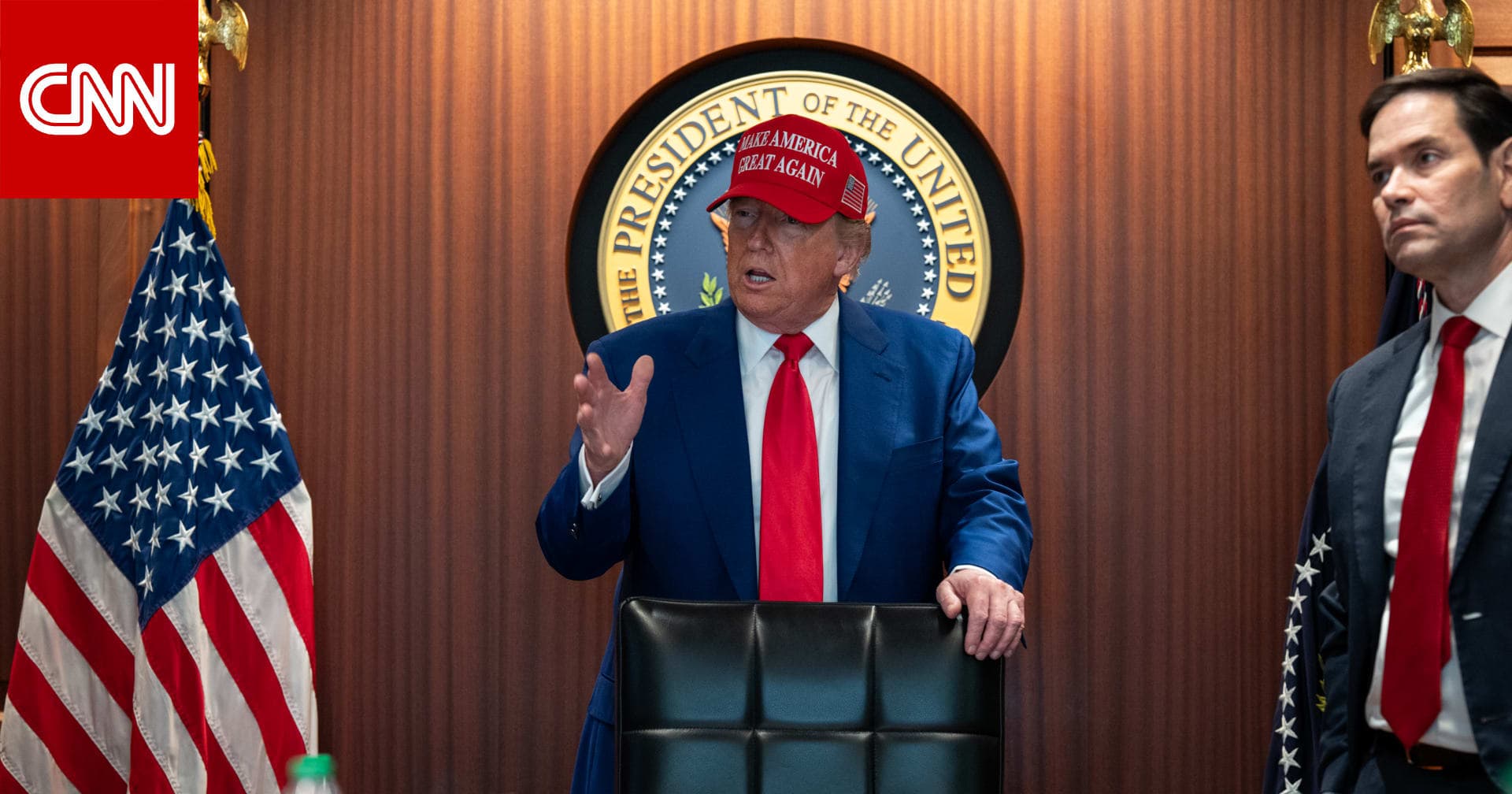
Policy U-Turn: Trump Halts Iran Negotiations and Reverts to Economic Strangulation Strategy
US President Donald Trump announced the suspension of all negotiations with Iran and a return to an economic strangulation strategy, amid contradictions regarding the seriousness of previous dialogues and fears over the repercussions of tensions with Oman concerning the regulation of navigation in the Strait of Hormuz.

US-Iran Peace Deadline Ends Amid Rising Tensions
The sixty‑day peace window set by the U.S.–Iran memorandum has lapsed, sparking heightened tensions. Trump mentioned a secret channel with the Revolutionary Guard and warned Oman against hindering Hormuz operations, while reports reveal a covert Iranian plan to upscale the conflict and rebuild missile capabilities. Fears of nuclear weapon use persist, leaving the future of the strait and Iran’s nuclear program uncertain.
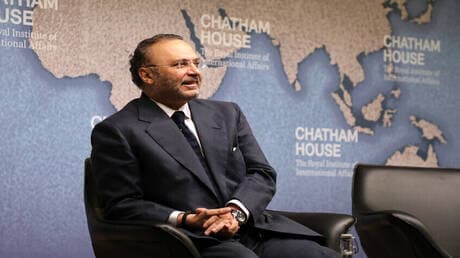
Al-Qarqashi Firmly Denies Financial Support for Iran, Attributes Rumors to Desperate Media Campaigns
UAE advisor Anwar Gargash denied providing financial support to Iran or canceling expat visas, describing these reports as false rumors within desperate media campaigns aimed at tarnishing the country's image. He asserted that real achievements are the strongest response to such claims, following a previous denial by the Foreign Ministry in June regarding money transfers to Tehran, reflecting a unified official stance against misleading information lacking any true basis or supporting evidence.