Washington Claims Full Control Over Strait of Hormuz Amid Rising Regional Tensions

U.S. President Donald Trump declared that the United States has full control over the Strait of Hormuz, emphasizing that Iran is no longer a bully in the Middle East. Trump used this statement to bolster his diplomatic and military stance in the region, announcing a clear victory over Iran's traditional role.
Military Escalation and Disrupted Revenues
In a related development, the Wall Street Journal reported that U.S. forces targeted a ship attempting to breach the embargo on Iran. Pakistan's defense minister stated that Washington and Tehran are nearing a peace agreement that could enhance regional stability, despite Iranian denials of negotiations.
Meanwhile, Iran has restructured its military doctrine to focus on external offensive operations, while Iranian television broadcast footage of an oil slick near Qeshm Island. Iranian President Ibrahim Raisi noted that the current war is more complex than ever before.
Background of the Conflict
This escalation comes amid rising tensions between the United States and Iran, as Washington seeks to cut off Iranian supply lines. Tehran affirmed that no negotiations are underway to extend a ceasefire, pointing out that the enemy aims to undermine Iran from within.
Military and diplomatic maneuvers continue in the region, with the world awaiting a potential peace agreement between Washington and Tehran, amid fears of further escalation that could impact Middle Eastern stability.
Related Articles
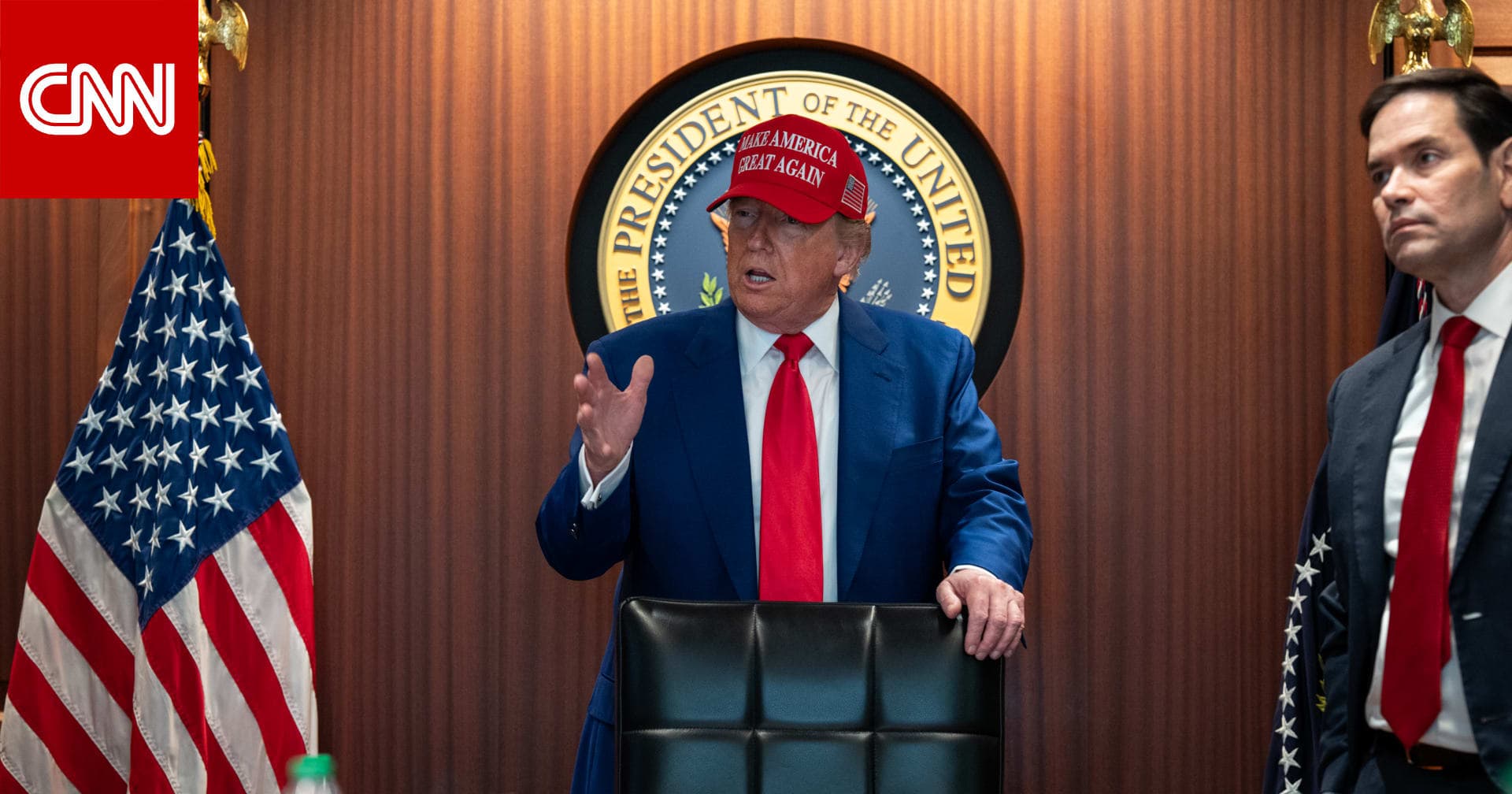
Policy U-Turn: Trump Halts Iran Negotiations and Reverts to Economic Strangulation Strategy
US President Donald Trump announced the suspension of all negotiations with Iran and a return to an economic strangulation strategy, amid contradictions regarding the seriousness of previous dialogues and fears over the repercussions of tensions with Oman concerning the regulation of navigation in the Strait of Hormuz.

US-Iran Peace Deadline Ends Amid Rising Tensions
The sixty‑day peace window set by the U.S.–Iran memorandum has lapsed, sparking heightened tensions. Trump mentioned a secret channel with the Revolutionary Guard and warned Oman against hindering Hormuz operations, while reports reveal a covert Iranian plan to upscale the conflict and rebuild missile capabilities. Fears of nuclear weapon use persist, leaving the future of the strait and Iran’s nuclear program uncertain.
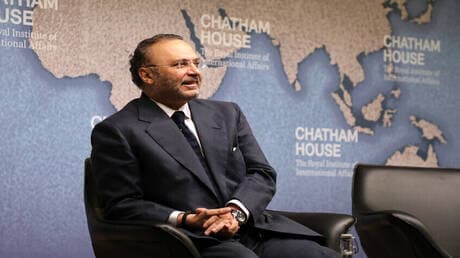
Al-Qarqashi Firmly Denies Financial Support for Iran, Attributes Rumors to Desperate Media Campaigns
UAE advisor Anwar Gargash denied providing financial support to Iran or canceling expat visas, describing these reports as false rumors within desperate media campaigns aimed at tarnishing the country's image. He asserted that real achievements are the strongest response to such claims, following a previous denial by the Foreign Ministry in June regarding money transfers to Tehran, reflecting a unified official stance against misleading information lacking any true basis or supporting evidence.