Trump Responds to Iran's Compensation Demands Amid Hormuz Tension
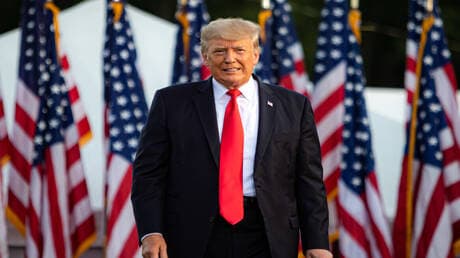
In a significant development in ongoing negotiations, U.S. President Donald Trump directly addressed Iranian demands for financial compensation, adopting a strict approach focused on reciprocal accountability rather than unilateral concessions amid current regional tensions.
Sharp Response to Iranian Demands
Trump stated via his digital platform "Truth Social" that the Iranian side is seeking compensation for damages resulting from a five-month military conflict, which he claims began due to Tehran's refusal to possess nuclear weapons, despite no prior mention of such demands in previous meetings.
The U.S. president added that he is also demanding compensation from Iran for all casualties caused by their roadside bombs and in various conflicts led initially by General Soleimani, including families of the USS Cole victims and thousands of others who fell in battle, emphasizing these claims must be integral to any future negotiations.
Details of the Strait of Hormuz Situation
In related news, Iran raised its conditions for reopening the Strait of Hormuz, asserting that its proximity to a maritime agreement with Oman does not mean normalizing ship traffic, dampening American optimism about soon ending the crisis in one of the world's key energy chokepoints, linking the strait's reopening to a broader settlement involving compensation and lifting sanctions.
Crisis Background and Tehran's Stance
The understanding of Islamabad signed on June 17 stipulated temporarily opening Hormuz to commercial shipping in exchange for easing U.S. measures, but the agreement stalled after both sides accused each other of violations, before Iran suspended its commitments and Washington tightened the blockade on Iranian ports, while Iranian President Masoud Pezeshkian stated the U.S. misjudged the internal political situation in Iran.
The Iranian file remains a sensitive pillar of U.S. foreign policy, as the Trump administration attempts to balance economic pressure with security demands, while Tehran seeks to protect its national interests by linking any diplomatic progress to lifting comprehensive sanctions that have burdened its economy for years.
Related Articles
Policy U-Turn: Trump Halts Iran Negotiations and Reverts to Economic Strangulation Strategy
US President Donald Trump announced the suspension of all negotiations with Iran and a return to an economic strangulation strategy, amid contradictions regarding the seriousness of previous dialogues and fears over the repercussions of tensions with Oman concerning the regulation of navigation in the Strait of Hormuz.

US-Iran Peace Deadline Ends Amid Rising Tensions
The sixty‑day peace window set by the U.S.–Iran memorandum has lapsed, sparking heightened tensions. Trump mentioned a secret channel with the Revolutionary Guard and warned Oman against hindering Hormuz operations, while reports reveal a covert Iranian plan to upscale the conflict and rebuild missile capabilities. Fears of nuclear weapon use persist, leaving the future of the strait and Iran’s nuclear program uncertain.

Iran Redirects Detained Emirati Oil Tanker to Bandar Abbas Port
Iran redirected a detained Emirati oil tanker to Bandar Abbas after deeming it in breach of Iranian transit rules, highlighting ongoing tensions in the strategic strait.