Policy U-Turn: Trump Halts Iran Negotiations and Reverts to Economic Strangulation Strategy
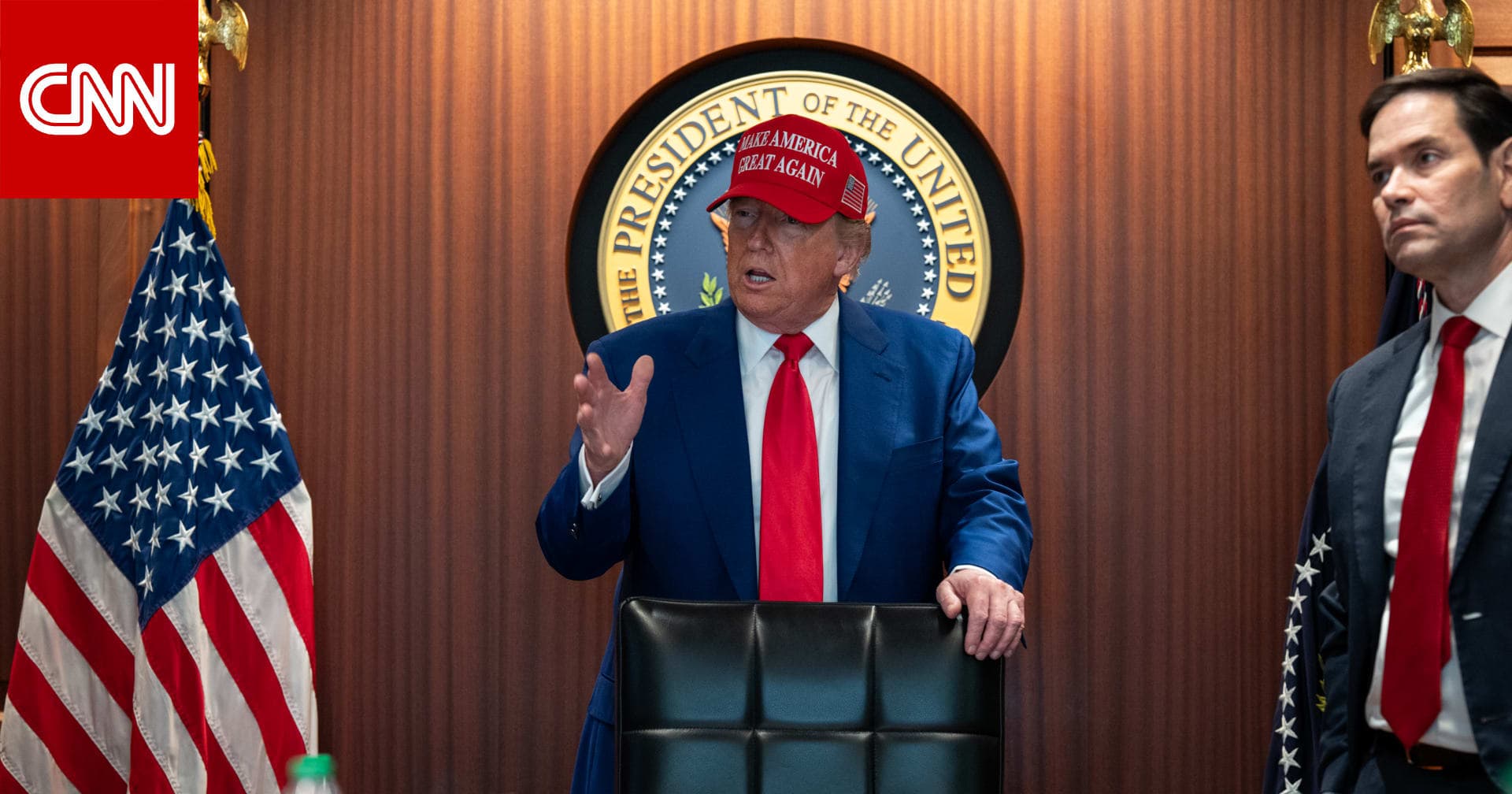
Transition from De-escalation to Intensive Pressure
High-level officials in the American administration have revealed the adoption of a new strategy based on gradually strangling the Iranian economy instead of vigorously seeking a quick solution, reflecting deep frustration with the pace of progress made in previous negotiations. The White House has emphasized that this new approach aims to increase pressure on the Iranian system by strengthening the current maritime embargo, which remains in full force according to official statements issued by the Western Department. Despite previous statements implying an agreement was imminent, Trump emphasized via social media platforms the absence of any official dialogue or even casual conversations with Tehran representatives, stressing that the Strait of Hormuz is operating normally and that naval mines have been completely removed. However, this narrative contradicts the field reality where commercial ships crossing the strait continue to face real dangers due to the continuation of Iranian missile attacks that threaten international navigation and complicate the process of restoring full fluidity to maritime movement in this vital passage.Contradictions in International and Regional Narratives
On the other hand, Iranian officials officially condemned the American president's statements, confirming that they have not entered into any negotiations with the United States, a reminder of Trump's previous statements accusing Tehran of playing with fire and hiding the facts of secret talks. This controversy over the existence or non-existence of direct dialogue reflects the extreme complexity in the diplomatic landscape, where each side tries to use language as a political weapon to win the negotiating position without actual commitment to the conditions imposed by the other party at this critical stage of regional tensions. Tensions with Oman, the traditional strategic partner of Washington, also intensified after reports emerged alleging Trump's opposition to a potential agreement between Muscat and Tehran to regulate navigation in the strait, fearing the strengthening of Iranian influence. President Trump threatened strongly to respond to what he described as improper behavior from the Omani side, despite the long-standing relations between the two countries, raising widespread concerns within the White House about the implications of this position on the stability of traditional alliances in the very sensitive Arabian Gulf region. Meanwhile, senior American envoys, including Vice President JD Vance and Jared Kushner, expressed a degree of optimism in the days preceding this reversal, describing the dialogues as serious and effective, highlighting the huge gap between the field assessments of the negotiating team and the final decisions issued from the Oval Office. Analysts believe this discrepancy stems from Tehran's unwillingness to respond immediately to strict American demands, prompting Trump to adopt waiting as an additional pressure tool before any possible return to the negotiating table in the near future. In conclusion, the American administration appears to have decided to return to a policy of economic and bridge isolation as a primary means of dealing with Iran, questioning the seriousness of these previous diplomatic attempts and the Iranian regime's seriousness in reaching a sustainable solution. This strategic shift may open a new door of instability in the region, where regional and international parties compete for influence in the Strait of Hormuz, while fears of greater military or diplomatic escalation remain present before everyone in the absence of effective trust mechanisms between the historical adversaries in this intractable conflict.Related Articles

Apple Unveils Variable Aperture System in iPhone 18 Pro for Better Photography
iFixit’s teardown disclosed a variable aperture system in the iPhone 18 Pro and Pro Max, using thin blades moved by magnets to adjust the opening based on light. The devices also feature larger cooling chambers and the U.S. Pro Max uses a Snapdragon X75 modem. Repairability scored 7/10.
Kim Kardashian Stuns in 2004 Yves Saint Laurent Dress at Lucas Museum Opening
Kim Kardashian attended the Lucas Museum opening in Los Angeles wearing a 2004 Yves Saint Laurent black dress designed by Tom Ford, paired with minimal diamonds and an up‑do, marking her first collaboration with stylist Lou Rost. Her mother Kris Jenner also made an appearance in a Chanel spring‑2023 look.
How Air Travel Affects Your Health: Six Practical Tips
Doctors outline six practical tips to lessen the physical impact of air travel, such as pre‑planning, carrying medication, notifying airlines of special needs, staying hydrated and using moisturizers to combat dryness, helping reduce stress and improve in‑flight comfort.