Washington Imposes Total Naval Blockade on Tehran, Asserting Full Control over Strait of Hormuz

US President Donald Trump announced a strict naval blockade on Iran, clarifying that the Strait of Hormuz remains open only to neutral vessels. This declaration coincides with rising regional tensions.
Military and Economic Control
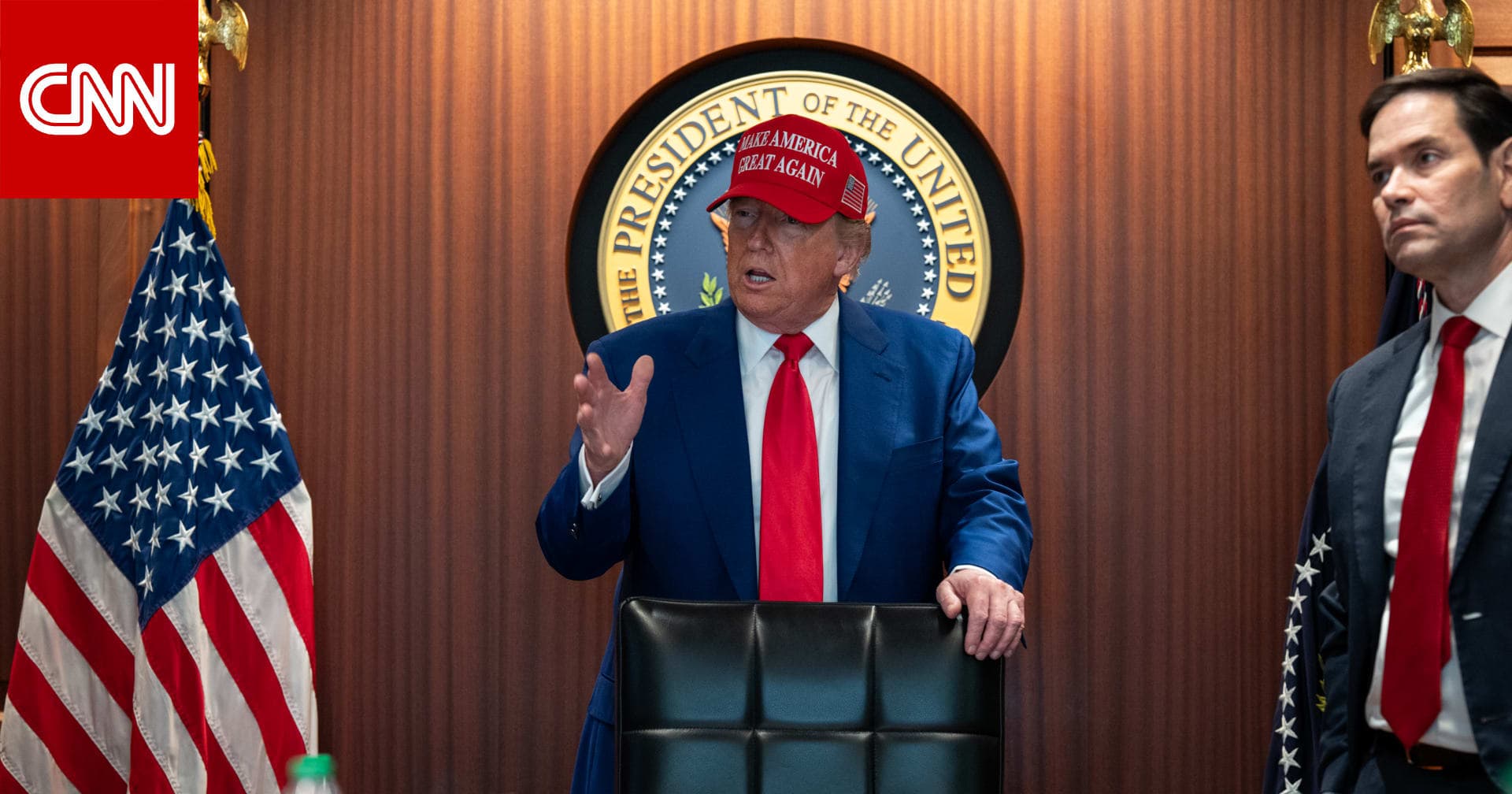
During a White House press conference, Trump stated that the US Navy has complete control over the strait, describing the blockade as an "iron wall" that permits passage only for ships not heading to Iran. He explained that his forces are clearing waters of mines occasionally planted by Iran.
The US president highlighted Tehran's deteriorating financial situation, claiming the country is bankrupt and unable to pay soldiers' salaries, with inflation exceeding 300 percent. He also linked these conditions to Iran's decades-long military history in the region.
Regional Context
This statement comes amidst the complex geopolitical conflict between the United States and Iran, as Washington seeks to curb Iranian influence through simultaneous economic and military pressures. This approach reflects a tough foreign policy aiming to isolate the Iranian regime globally.
The Trump administration asserts these measures are essential to ensure international navigation security, while claiming Tehran lacks the financial or military resources to extend its control or cause further chaos in the region.
Related Articles
Policy U-Turn: Trump Halts Iran Negotiations and Reverts to Economic Strangulation Strategy
US President Donald Trump announced the suspension of all negotiations with Iran and a return to an economic strangulation strategy, amid contradictions regarding the seriousness of previous dialogues and fears over the repercussions of tensions with Oman concerning the regulation of navigation in the Strait of Hormuz.

US-Iran Peace Deadline Ends Amid Rising Tensions
The sixty‑day peace window set by the U.S.–Iran memorandum has lapsed, sparking heightened tensions. Trump mentioned a secret channel with the Revolutionary Guard and warned Oman against hindering Hormuz operations, while reports reveal a covert Iranian plan to upscale the conflict and rebuild missile capabilities. Fears of nuclear weapon use persist, leaving the future of the strait and Iran’s nuclear program uncertain.

Iran Redirects Detained Emirati Oil Tanker to Bandar Abbas Port
Iran redirected a detained Emirati oil tanker to Bandar Abbas after deeming it in breach of Iranian transit rules, highlighting ongoing tensions in the strategic strait.