Trump Claims Full Control Over Strait of Hormuz and Denies Iranian Hegemony

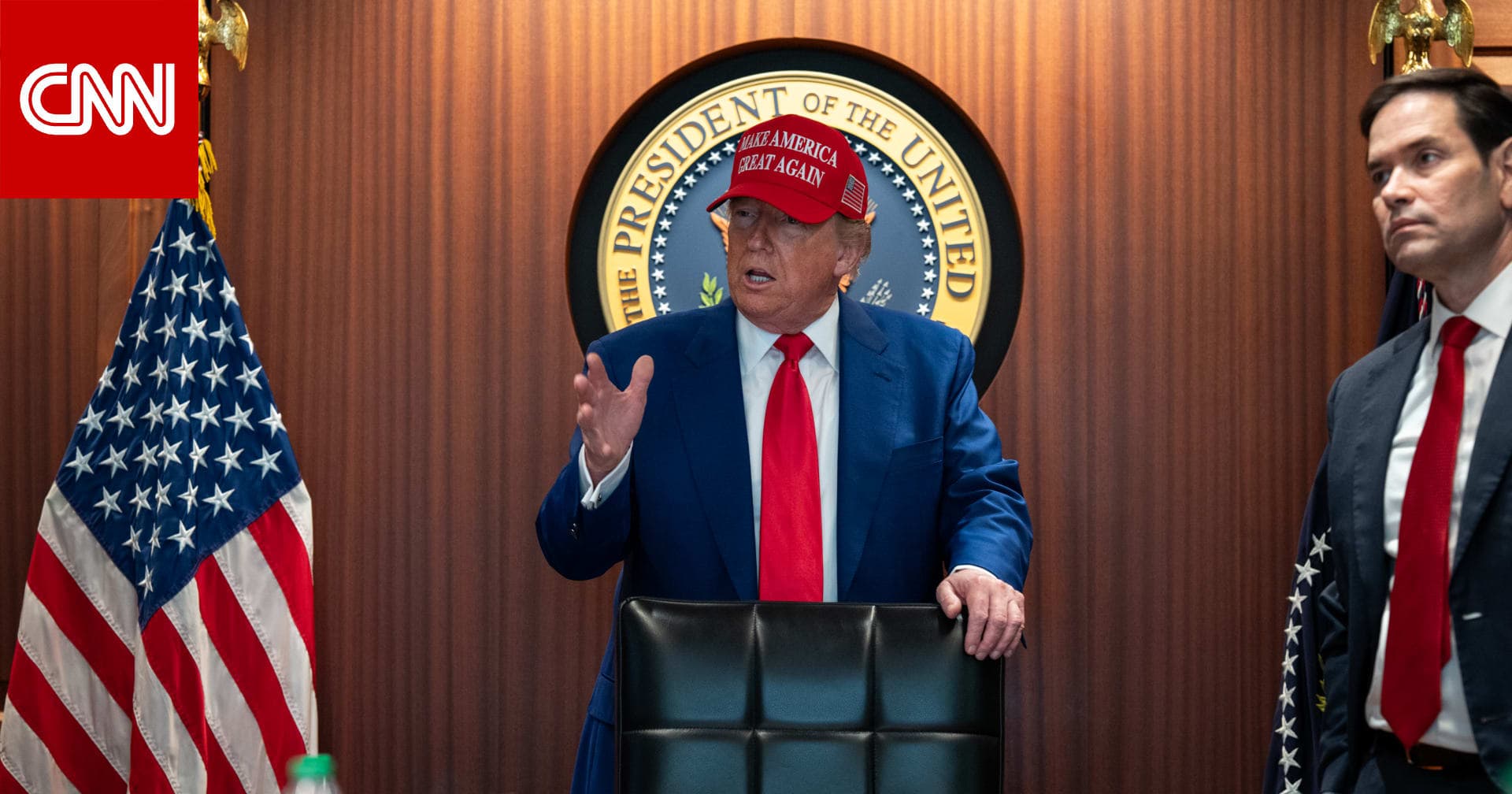
Former US President Donald Trump has declared full US control over the Strait of Hormuz, asserting that Iran is no longer a bully in the Middle East, amid rising regional tensions.
Trump's Strategic Statements
Trump stated that the United States completely controls this vital waterway, suggesting that the era of Iranian dominance has ended, referencing recent geopolitical shifts in the region.
He emphasized that the current situation reflects a fundamental shift in the balance of power, where Tehran can no longer impose its will or threaten suppression, thereby enhancing international maritime security.
Regional Importance of the Strait
The Strait of Hormuz is a crucial artery for global trade, as a significant portion of crude oil exports pass through it, making it a focal point for major powers and a source of geopolitical tension.
Controlling this strait means ensuring the safe flow of energy, which the United States aims to achieve through its foreign and military policies, according to the rhetoric adopted by the previous Trump administration.
Related Articles
Policy U-Turn: Trump Halts Iran Negotiations and Reverts to Economic Strangulation Strategy
US President Donald Trump announced the suspension of all negotiations with Iran and a return to an economic strangulation strategy, amid contradictions regarding the seriousness of previous dialogues and fears over the repercussions of tensions with Oman concerning the regulation of navigation in the Strait of Hormuz.

US-Iran Peace Deadline Ends Amid Rising Tensions
The sixty‑day peace window set by the U.S.–Iran memorandum has lapsed, sparking heightened tensions. Trump mentioned a secret channel with the Revolutionary Guard and warned Oman against hindering Hormuz operations, while reports reveal a covert Iranian plan to upscale the conflict and rebuild missile capabilities. Fears of nuclear weapon use persist, leaving the future of the strait and Iran’s nuclear program uncertain.

Trump Rebukes CNN Reporter in Oval Office with 10‑Year‑Old Present
President Donald Trump loudly rebuked CNN’s Christine Holmes in the Oval Office, accusing her of shouting and disrespect, with a ten‑year‑old child present. The episode adds another chapter to the long‑standing feud between the U.S. president and the media, drawing criticism from press‑freedom advocates.