Tehran Ties Hormuz Reopening to Lifting US Blockade, Rejects De-escalation Without Compensation

The Iranian Foreign Ministry rejected any discussion about reopening the Strait of Hormuz before the United States lifts naval restrictions on its ports, emphasizing that maritime security is impossible under continued American pressure. Tehran reiterated that its options are tied to achieving specific demands, including the removal of sanctions and compensation for past violations.
Peace Conditions and Trump's Pressure
US President Donald Trump stated in an interview with Axios that Washington is acting cautiously, limiting talks with Iran to partial points, while noting that Iran’s economy is collapsing due to the current naval blockade. Iranian officials confirmed that the current US approach makes the strait unsafe for international trade unless preconditions are met.
Crisis Backgrounds and Available Options
US reports suggest the current administration viewed temporary de-escalation as a strategic necessity, especially after military operations depleted weapon stocks in Europe and Asia. The central dilemma remains how Washington addresses Tehran’s stringent demands for financial compensation and an end to military threats to ensure the restoration of stability in the vital waterway.
Washington faces a significant challenge in balancing military pressure with the desire to avoid all-out war, while Iran raises its demands to exploit American logistical weaknesses. The Strait of Hormuz file remains pivotal in the geopolitical equation defining relations between the two parties in the coming months.
Related Articles
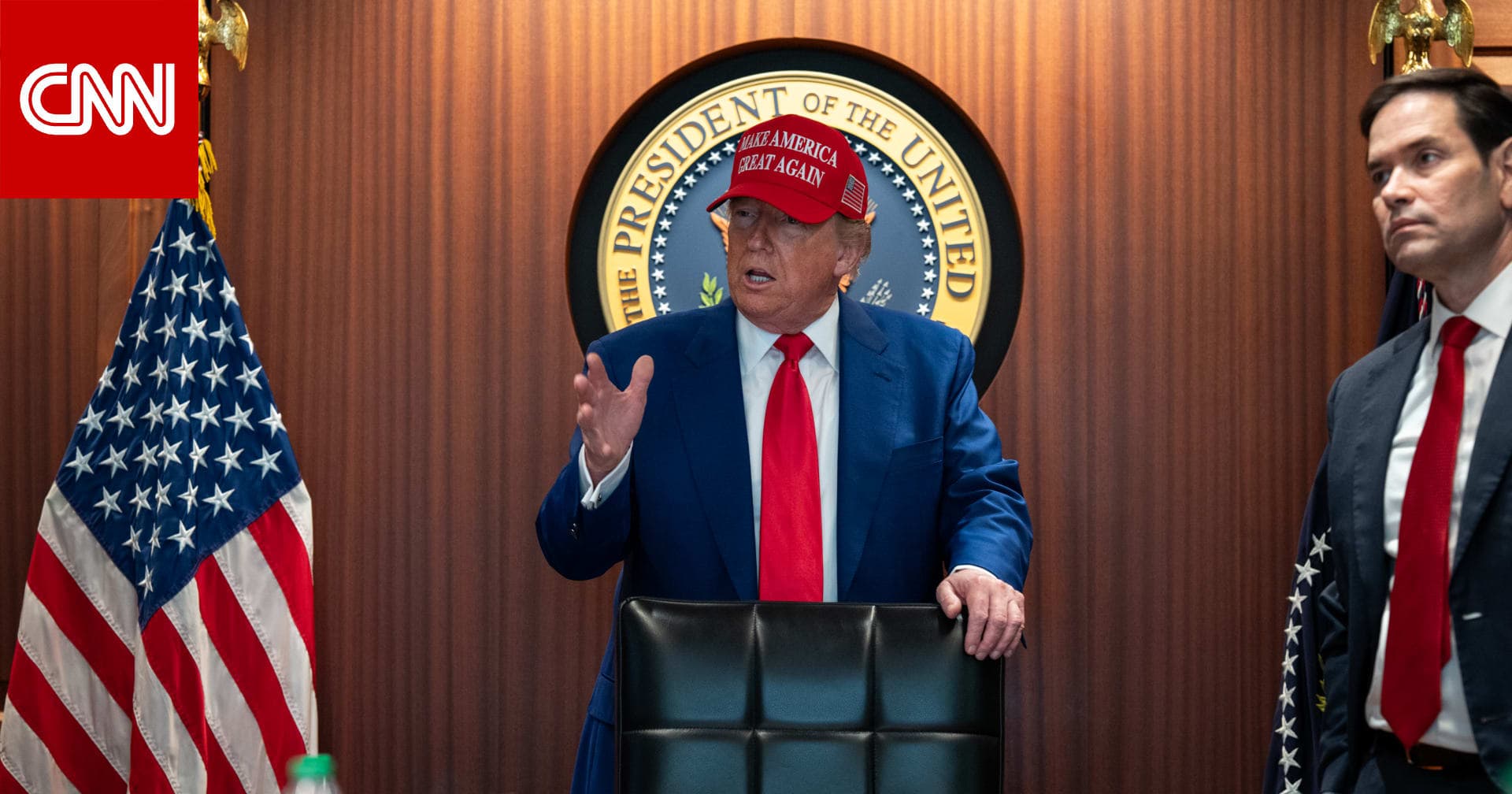
Policy U-Turn: Trump Halts Iran Negotiations and Reverts to Economic Strangulation Strategy
US President Donald Trump announced the suspension of all negotiations with Iran and a return to an economic strangulation strategy, amid contradictions regarding the seriousness of previous dialogues and fears over the repercussions of tensions with Oman concerning the regulation of navigation in the Strait of Hormuz.

US-Iran Peace Deadline Ends Amid Rising Tensions
The sixty‑day peace window set by the U.S.–Iran memorandum has lapsed, sparking heightened tensions. Trump mentioned a secret channel with the Revolutionary Guard and warned Oman against hindering Hormuz operations, while reports reveal a covert Iranian plan to upscale the conflict and rebuild missile capabilities. Fears of nuclear weapon use persist, leaving the future of the strait and Iran’s nuclear program uncertain.

Iran Redirects Detained Emirati Oil Tanker to Bandar Abbas Port
Iran redirected a detained Emirati oil tanker to Bandar Abbas after deeming it in breach of Iranian transit rules, highlighting ongoing tensions in the strategic strait.