Handover of Latakia Port's Wharf 4: Economic Opportunity or Logistic Challenge?
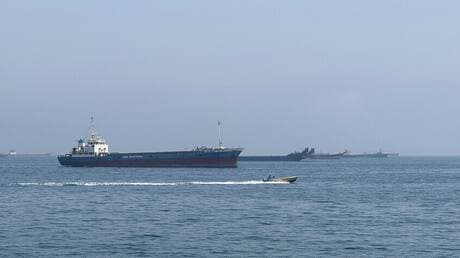
Syria's logistics sector is focusing on the Latakia Port, where Syrian authorities are set to resume control over Wharf 4 and its associated warehouses. This development follows an agreement with the Russian side, opening new prospects for upgrading the country's maritime transport infrastructure.
Expectations of Increased Operational Efficiency
Economic analysts believe that taking back control of this wharf will directly boost the port's capacity, positively impacting shipping flows. It is expected to accelerate the entry of ships and cargo unloading, reducing the long wait times that previously hindered commercial activity.
However, the real impact on commodity prices and import costs depends on daily operational efficiency. The success of this move relies on the Syrian administration's ability to reduce logistical burdens and improve services for both importers and exporters alike.
Strategic Context
The Latakia Port is a vital node in Syria's logistics network, having been subject to special arrangements with Russia for extended periods. The Syrian government is currently aiming to enhance the port's regional role, seeking to make it a primary hub for maritime transport in the area, which requires continuous investment and infrastructure development.
These developments occur amidst Syria's efforts to rebuild its depleted economy, where ports play a crucial role in the flow of imports and exports. The success of this transition depends on the effectiveness of the new management in leveraging available resources to achieve tangible returns.
Related Articles
New Commercial Phase for Tartus Port with Berth 4 Launch
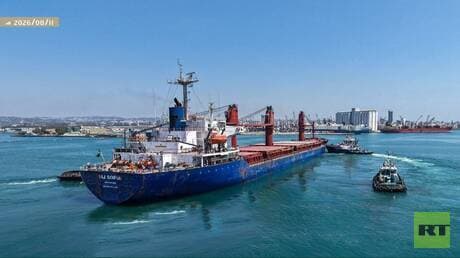
Tartus Port in Syria has commenced commercial operations at Berth 4, welcoming its first vessel on Tuesday. This development, part of agreements with Russia, aims to upgrade maritime infrastructure and increase port capacity. The expansion enhances cargo handling efficiency and supports national economic growth by improving logistics flow and trade capabilities.

Syria Settles Car Import Debate: 2027 Decree Brings Tax Surprise
The Syrian Ministry of Transport revealed details of a decree allowing used car imports from 2027, permitting models from 2016 onwards with a nominal $500 customs fee. This clarification addresses widespread social media rumors, confirming strict technical conditions for clean vehicles only.

Israel Warns of Syrian President's Plans to Rebuild Army with Turkish Support
An Israeli security official called Syrian President Ahmad al‑Sharaâ a dangerous extremist, noting his focus on rebuilding Syria's army with Turkish help, heightening Israeli fears over Damascus‑Ankara military ties and their impact on Israeli air freedom.