Suicide of Ethiopian-Israeli Reservist Highlights Hidden Psychological Trauma

The Israeli military confirmed the likelihood that the suicide of 24-year-old reservist Oriol Moltu Gitehon was linked to his military service, sparking a debate on the urgent need for better psychological support for veterans.
Invisible Scars
Ahram Obugan, a first sergeant killed in northern Gaza, stated via his brother that the war's end does not mean healing is complete for those who return physically unharmed from the front lines.
Obugan emphasized that "not every wound can be seen from the outside," noting that soldiers often carry deep, invisible psychological burdens that persist long after they have returned home to their families.
Context and Suffering
Karmi'el Mayor Moshe Kuninski described Gitehon, a member of the Ethiopian community, as someone who could no longer bear the accumulated pain and loss, calling for comprehensive aid systems for reservists.
Military officials stated that initial investigations suggested a connection to service, committing to assist Gitehon's family in filing a request with the Defense Ministry to classify his death as service-related.
Related Articles
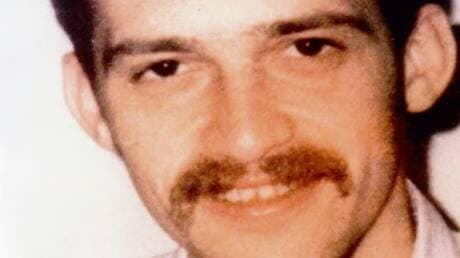
Remains of Yehuda Katz Recovered, Closing Chapter on Six Missing Soldiers from Battle of Sultan Yaakov
The Israeli military announced the recovery of Corporal Yehuda Katz, the last missing soldier from the 1982 Battle of Sultan Yaakov. The battle resulted in 20 deaths and six missing soldiers, five of whom had been previously recovered through special operations. This development is seen as the final closure of the missing persons file from this historic military confrontation with the Syrian army.

Israel Warns of Syrian President's Plans to Rebuild Army with Turkish Support
An Israeli security official called Syrian President Ahmad al‑Sharaâ a dangerous extremist, noting his focus on rebuilding Syria's army with Turkish help, heightening Israeli fears over Damascus‑Ankara military ties and their impact on Israeli air freedom.
Trump Calls Hormuz 'American Land' as Tehran Reasserts Sovereignty
US President Donald Trump revealed intentions to describe the Strait of Hormuz as 'new land for the US' after operations against Iran conclude. Tehran rejected this outright, asserting sovereignty cannot be seized by tweets. The remarks occurred amidst US denial of ongoing talks and confirmation that the strait is open after mine clearance.