Reevaluating Cancer Protocols: Are Current Dosages Excessive?
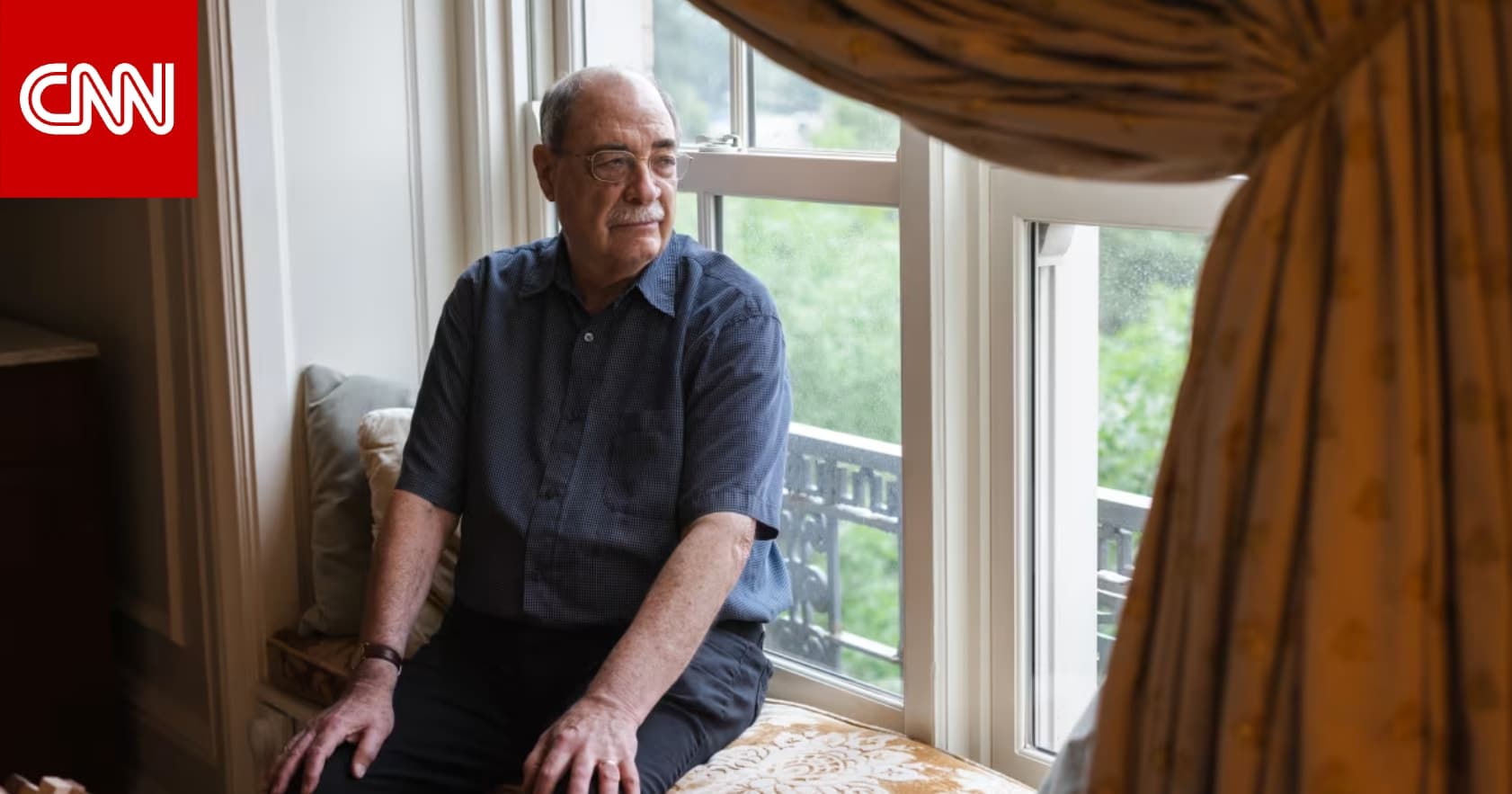
Medical experts are questioning the efficacy of high-dosage cancer treatments, probing whether current standards reflect genuine therapeutic needs or other factors. Emerging studies aim to redefine global protocols to ensure optimal health outcomes for patients while minimizing devastating side effects.
Personal Hardship Drives Systemic Change
Chuck Manski, an economics professor at Northwestern University, decided to halt his immunotherapy for advanced melanoma after just six months, despite recommendations to continue for a full year. Manski suffered from thyroid damage and severe dryness in his eyes and mouth, interpreting these symptoms as indicators that maximum therapeutic benefit had been achieved.
This decision was not merely intuitive but based on a rigorous review of medical literature suggesting that continuing treatment after clinical signs of the tumor disappear may add little value. This personal journey inspired Manski to join a coalition dedicated to scientifically determining optimal dosages and treatment durations, surpassing current generic standards.
Financial and Medical Barriers to Adaptation
Efforts to reduce dosages face significant structural hurdles; pharmaceutical companies hesitate to modify protocols fearing sales declines, while physicians fear potential lawsuits for prescribing less than officially recommended amounts. A KFF poll revealed that 43% of US adults skipped medication doses last year due to high costs.
A Vanderbilt University study found that 30% of cancer drug prescriptions for Medicare beneficiaries went unfilled, highlighting a widespread accessibility crisis. Research estimates that using reduced dosages for 29 cancer drugs could have saved $31 billion in 2024 alone, without compromising core therapeutic effectiveness.
Pioneering Research Initiatives for Balance
The American Society of Clinical Oncology is conducting ambitious clinical trials, including comparing standard nivolumab doses with four lower alternatives, and an $11 million study on reducing breast cancer drug doses. Led by Julie Gralow, these efforts aim to maintain treatment efficacy while improving patients' quality of life, particularly in advanced cases where complete cure is unlikely.
The FDA has supported these trends through the OPTIMUS project, encouraging companies to determine optimal dosages before drug approval, and issued new guidelines in 2024 to facilitate this process. However, an expert from the Fox Chase Cancer Center warns that drugs will remain expensive even with lower doses, meaning benefits will be more health-focused than financially relieving for individual patients.
Related Articles

Kim Kardashian Stuns in 2004 Yves Saint Laurent Dress at Lucas Museum Opening
Kim Kardashian attended the Lucas Museum opening in Los Angeles wearing a 2004 Yves Saint Laurent black dress designed by Tom Ford, paired with minimal diamonds and an up‑do, marking her first collaboration with stylist Lou Rost. Her mother Kris Jenner also made an appearance in a Chanel spring‑2023 look.
How Air Travel Affects Your Health: Six Practical Tips
Doctors outline six practical tips to lessen the physical impact of air travel, such as pre‑planning, carrying medication, notifying airlines of special needs, staying hydrated and using moisturizers to combat dryness, helping reduce stress and improve in‑flight comfort.
Unique Relaxation Experience with Farm Cows in Maine
A Maine dairy farm offers a relaxation experience combining soothing music with cow moos, featuring meditation sessions and gentle cow massages, aimed at enhancing visitors' mental well‑being this month.