Power Outage Threatens Water Supply in Libya
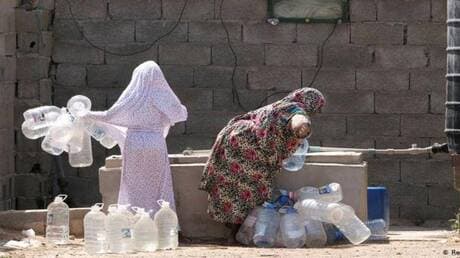
A widespread power outage across several Libyan regions has halted water pumping stations, leaving thousands without clean drinking water.
Outage Details
The National Electricity Company reported technical failures in the main transmission grid passing through Tripoli, cutting power to over 500,000 customers. This shut down major water pumping plants, including the "Marsa" station that supplies half of the capital’s population.
According to the Interior Ministry, more than 30 emergency cases have been recorded in hospitals due to the lack of clean water, and health officials noted a temporary rise in gastrointestinal illnesses in affected areas.
Background and Causes
The issue stems from the failure of key transformers following incomplete maintenance and a shortage of imported spare parts due to international sanctions imposed since 2011. The crisis highlights Libya’s fragile infrastructure, weakened by internal conflicts and insufficient investment.
The government emphasized the need to accelerate repairs and secure international funding to modernize the electricity network, noting that restoring water pumps will take several days, necessitating emergency measures such as water trucks and alternative wells.
In conclusion, authorities urged citizens to conserve water and store sufficient drinking supplies, assuring that efforts are underway to restore power and prevent future occurrences.
Related Articles

Tripoli Plunged into Darkness for Third Time Amid Critical Infrastructure Attacks
Tripoli and western Libyan cities experienced a total power outage for the third time in two days, worsening the energy crisis. Maintenance crews are gradually restoring electricity to the capital after restarting units at Rawis and South Tripoli stations, while repairs continue in Khums and Misrata. The latest blackout followed civilian attacks on facilities and attempts to forcibly end load shedding. These events unfold amid rising security tensions in Al-Zawiya, where an explosion near a power station and drone strikes on fuel tanks and desalination plants have severely disrupted production. No group has claimed responsibility for the attacks, raising concerns about supply sustainability. The General Company for Electricity urges citizens to exercise patience and understand the technical and security complexities hindering full service restoration.

Radical Shifts in the Sports and Geostrategic Landscape
This article covers the latest sports and political events, including Russia and Germany's swimming and skiing achievements, Mohamed Salah and Inter Miami's performance, and rising tensions between Iran and the US, as well as conflicts in Ukraine and Yemen.

Moscow Launches Ambitious Plan to Rebuild Logistics Infrastructure Amid Strikes
Russian President Vladimir Putin has instructed his government to develop an urgent program to rehabilitate and upgrade storage capacities damaged by attacks on logistics centers and e-commerce companies. During a meeting of the Strategic Development Council, Putin emphasized that Russia’s commercial infrastructure remains stable and efficient despite security challenges, provided it relies on advanced technology such as AI and robotics to boost productivity. These directives follow strikes on the warehouses of the giant Wildberries company in the Leningrad Region, which resulted in a fire and civilian injuries, prompting a call for enhanced state support and investment mechanisms to ensure the sector’s rapid recovery.