The Eviction Crisis in Rabat's Ocean Quarter: Financial Loss and Psychological Trauma for Residents
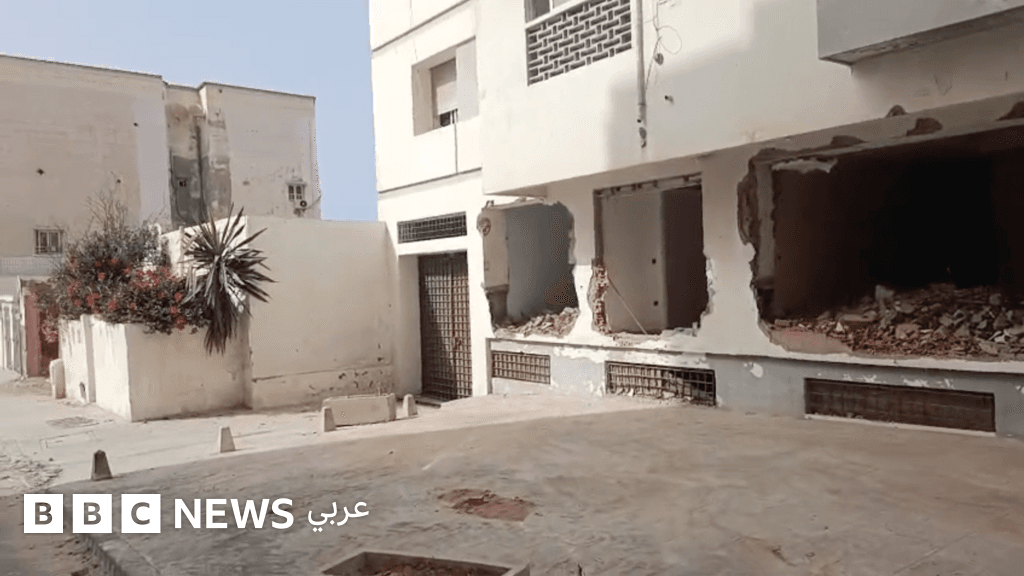
The Conflict Between Compensation and Real Estate Market Value
Residents, such as the citizen Ismail who purchased his apartment in 2015 using his savings and a mortgage loan, are suffering from the shock of losing their home without a clear explanation for the reasons behind this sudden government decision. Affected individuals point out that the proposed compensation does not reflect the true value of their properties, as the offered compensation amount amounts to about 13,000 dirhams per square meter, while purchase prices in the open market currently range at a level exceeding 30,000 dirhams per square meter. This huge gap in prices makes the eviction process an unfair gain for the beneficiaries of the land, while turning the lives of residents into a financial and psychological nightmare they cannot easily escape. This reality has led to a division within the local community into two camps; one refuses to leave and seeks housing alternatives within the neighborhood, while the others accept leaving but with a spirit of deep dissatisfaction with the presented compensation values, which they consider meager compared to the strategic location of the neighborhood.Legal and Psychological Dimensions of the Demolition Process
Many residents, including Ismail, have decided to resort to the administrative court to challenge the fairness of compensation amounts and attempt to annul eviction orders that were implemented in a way they described as forced and rushed. The damage does not stop at financial loss, as the continuation of partial demolition of abandoned buildings creates immense psychological pressure on families still living in remaining units, foreshadowing a bleak and uncertain future for their children who grew up in this neighborhood. Basic services have also been negatively affected, as cleaning teams have refused to perform their duties in the area officially classified as a disappearing district, leading to waste accumulation and a deterioration of daily living standards. Legal experts, such as Ali Zian, emphasize that the lack of a clear vision for future projects on these lands, along with reselling them at higher prices, raises suspicions about the possibility of the situation turning into real estate speculation at the expense of ordinary citizens' rights. Human rights organizations confirm that the number of families affected by this suffering may reach up to three thousand households, constituting a major social and legal issue in the Kingdom. Despite attempts to contact the Ministry of National Territory Planning, Urbanization and Housing to obtain official clarifications regarding the reasons for demolition and the fate of the lands, the concerned authorities did not respond with any statement reassuring citizens or clarifying the future landmarks of the city. Recent satellite images shed light on the radical changes that have occurred in the urban landscape of the neighborhood, where bustling residential areas have turned into a desert of rubble and dirt, reflecting the depth of the trauma suffered by residents who lost not only their homes, but also their memories and identity associated with this place over decades of time.Related Articles

What the A1C Test Reveals About Blood Glucose Levels
The A1C test measures glycated hemoglobin, revealing average blood glucose over three months. Elevated results signal diabetes risk and related complications, prompting screening for under‑45 individuals with risk factors or symptoms. Blood sugar control relies on medication and lifestyle adjustments.
Abu Dhabi Culture and Arts Group Marks 30 Years of Nurturing Creative Talent
Abu Dhabi Culture and Arts Group marked its 30th anniversary, highlighting achievements in supporting artistic talent through training programs and festivals, and plans to expand its activities with digital initiatives fostering cultural innovation in the UAE.
Flight Attendant Turns Hotel Room Into Aircraft Watchtower
Indian flight attendant Manish Kumar turns a runway‑view hotel room into an aircraft‑watching spot, enjoying views of the Airbus A380 and Beluga and sharing the experience with his online followers.