New Scientific Discovery: Blue Turmeric as a Protective Shield for Body Joints
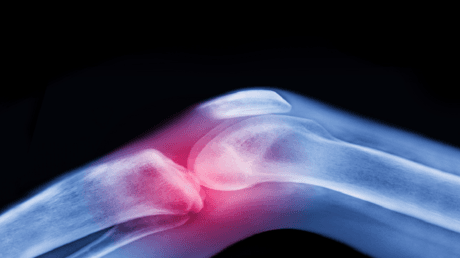
Recent research published in a specialized journal has proven that extracts of rare blue turmeric form a strong line of defense against the degeneration of joint cartilage cells. This research aims to clarify the biological mechanisms through which natural elements can protect soft tissues from damage resulting from chronic inflammation and cellular injury.
Chemical Composition and Bioavailability
Scientists focused their study on the plant Curcuma caesia, also known as black turmeric, and its roots are rich in unique polyphenolic compounds such as epicatechin and vanillic acid. Detailed laboratory analyses showed that approximately 58% of these active compounds maintained their stability and absorbability even after simulating human digestion in test tubes.
This high percentage of bioavailability is a significant landmark, as many antioxidants lose their effectiveness when passing through the digestive system. This means that oral consumption of the extract may achieve the desired therapeutic effect without the need for complex medical interventions or direct injections into the joint.
Cellular and Preventive Protection Mechanism
When human cartilage cells were exposed to interleukin-1 beta, an inflammation-triggering agent, researchers observed a significant improvement in the health of cells previously treated with the extract. This extract worked to suppress the production of Tumor Necrosis Factor alpha, a protein central to exacerbating the manifestations of arthritis and tissue erosion.
The active compounds also helped maintain the natural structure of the cartilage and protect the mitochondria within cells from oxidative damage. These results enhance hopes for developing effective and safe natural treatments for sufferers of degenerative joint diseases, while emphasizing the need for further clinical studies.
These promising discoveries point to a bright future in natural medicine, where blue turmeric could be a safe alternative to chemical treatments. Patients should consult their doctors before adopting any new dietary supplements as part of a comprehensive treatment plan.
Related Articles

Smoking Threatens Heart and Brain Besides Lungs
A recent study of over 4,000 smokers shows that smoking threatens not only lung health but also increases the risk of heart disease, vascular narrowing, and cognitive decline. The findings support awareness campaigns and call for stronger smoking‑cessation programs.
What the A1C Test Reveals About Blood Glucose Levels
The A1C test measures glycated hemoglobin, revealing average blood glucose over three months. Elevated results signal diabetes risk and related complications, prompting screening for under‑45 individuals with risk factors or symptoms. Blood sugar control relies on medication and lifestyle adjustments.
Abu Dhabi Culture and Arts Group Marks 30 Years of Nurturing Creative Talent
Abu Dhabi Culture and Arts Group marked its 30th anniversary, highlighting achievements in supporting artistic talent through training programs and festivals, and plans to expand its activities with digital initiatives fostering cultural innovation in the UAE.