Libya Arrests Leaders of “Omar al-Mukhtar” Fleet Involved in Attempt to Break Gaza Siege

Libyan security forces in Tripoli have detained several activists linked to the "Omar al-Mukhtar" vessel, which has taken part in attempts to break the blockade imposed on Gaza. The arrests come amid rising regional tensions over Palestinian support.
Arrest Details
Among those taken into custody are fleet coordinator Dr. Mohamed Al-Haddad and ship owner Abdulrazak Hanish. No official statement has clarified the reasons for the detention or the legal procedures, prompting questions about the security operation’s motives.
Conflict Background
The "Omar al-Mukhtar" fleet is known for organizing maritime trips aimed at breaching Gaza’s aerial and naval siege, drawing international attention. Libya, grappling with internal divisions, is now seeking to curb any activity deemed a threat to national security.
Observers are watching for international reactions and potential accusations of actions that could destabilize the region.
Related Articles

Iraqi Speaker Demands Special Guarantees for Oil Exports via Hormuz
Iraqi Speaker Haytham al-Alwani urged Iran to grant special status to Iraqi oil exports passing through the Strait of Hormuz during a meeting with Iranian MP Mohammad Bagher Ghalibaf in Baghdad, aiming to safeguard economic interests amid regional maritime fluctuations.

FlyDubai and Air Arabia Resume Flights Over Iranian Airspace
FlyDubai and Air Arabia have resumed flights over Iranian airspace after receiving permits from Iran's Civil Aviation Organization, following consultations with Oman to ease regional air traffic.
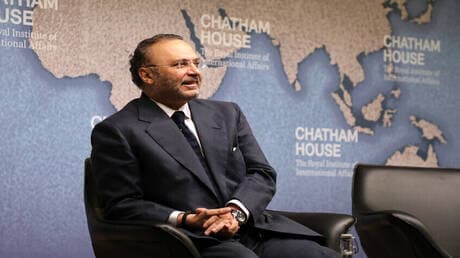
Al-Qarqashi Firmly Denies Financial Support for Iran, Attributes Rumors to Desperate Media Campaigns
UAE advisor Anwar Gargash denied providing financial support to Iran or canceling expat visas, describing these reports as false rumors within desperate media campaigns aimed at tarnishing the country's image. He asserted that real achievements are the strongest response to such claims, following a previous denial by the Foreign Ministry in June regarding money transfers to Tehran, reflecting a unified official stance against misleading information lacking any true basis or supporting evidence.