Israeli and Iranian Alerts Reveal Secret Plan to Extract Trump from Ankara

At the close of the NATO summit in Turkey, U.S. President Donald Trump took the stage to proclaim the meeting a success, while American security teams were quietly executing a covert extraction plan from Ankara.
Threat Details and Alerts
American officials told CNN that Iranian intelligence knew the luxury hotel where Trump was staying, tracked his movements, and even discussed killing him with a shoulder‑launched missile capable of downing Air Force One. Israel, in turn, passed the same warning to the CIA.
The CIA and other members of the Trump administration doubted the credibility of the Israeli tip, questioning whether Tehran possessed the technical means for such an attack. Nevertheless, the alert raised the U.S. alert level to its highest setting.
Secret Evacuation Plan
Inside the heavily fortified “Beştepe” presidential compound, Joint Chiefs of Staff Chairman General Dan Kin coordinated with the U.S. Secret Service to plot a safe exit route. After the press conference, Trump boarded a white catering truck parked next to Air Force One and was escorted to Ankara Airport.
U.S. officials spent both morning and evening in Turkey evaluating options and briefing the president, knowing his departure was scheduled for the evening of July 8, just hours after the threat details emerged.
Regional Tension Context
The episode unfolded amid heightened U.S.–Iran tensions following the death of Iran’s Supreme Leader Ali Khamenei, during which anti‑Trump slogans were displayed at his funeral. Yet, U.S. intelligence assessments found no concrete evidence of a specific Iranian plot, labeling it as part of ongoing hostile rhetoric.
The incident underscores how regional rivalries can be leveraged to pressure U.S. policy and highlights the crucial role of U.S.–Israeli intelligence cooperation in monitoring high‑level threats.
Ultimately, Trump left Ankara unharmed, but the episode reveals the complex security landscape surrounding world leaders at international gatherings.
Related Articles
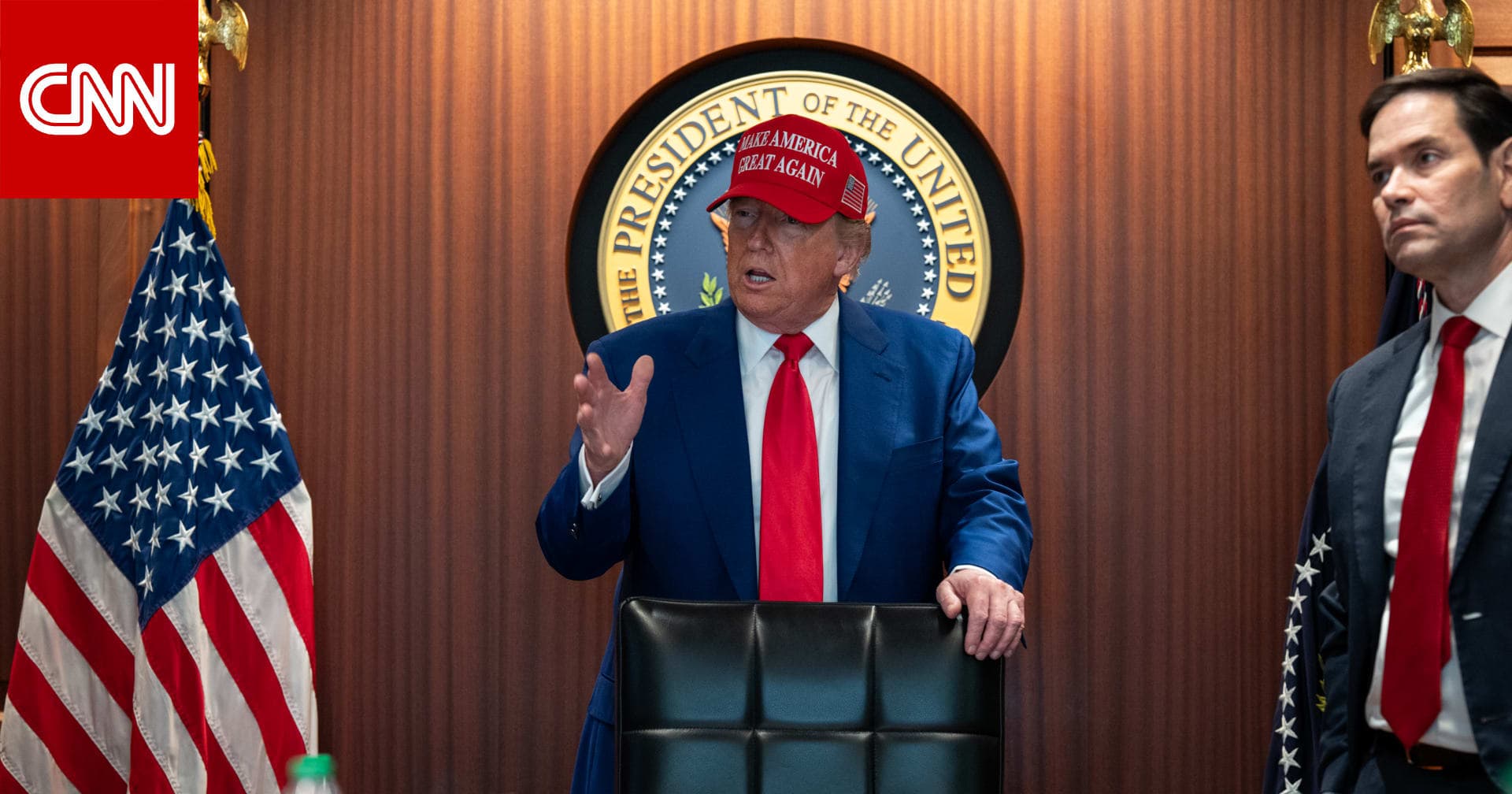
Policy U-Turn: Trump Halts Iran Negotiations and Reverts to Economic Strangulation Strategy
US President Donald Trump announced the suspension of all negotiations with Iran and a return to an economic strangulation strategy, amid contradictions regarding the seriousness of previous dialogues and fears over the repercussions of tensions with Oman concerning the regulation of navigation in the Strait of Hormuz.

US-Iran Peace Deadline Ends Amid Rising Tensions
The sixty‑day peace window set by the U.S.–Iran memorandum has lapsed, sparking heightened tensions. Trump mentioned a secret channel with the Revolutionary Guard and warned Oman against hindering Hormuz operations, while reports reveal a covert Iranian plan to upscale the conflict and rebuild missile capabilities. Fears of nuclear weapon use persist, leaving the future of the strait and Iran’s nuclear program uncertain.

Gaza: Fresh Airstrikes Kill 10 and Wound 15 in Gaza City and Nuseirat Camp
Medical sources in Gaza hospitals confirmed ten deaths and fifteen injuries following Israeli airstrikes on Gaza City and the Nuseirat camp. These attacks occur amidst ongoing escalation, worsening the humanitarian suffering of the population.