Tehran Rejects Trump's Threat to Occupy Strait of Hormuz, Asserts Sovereignty
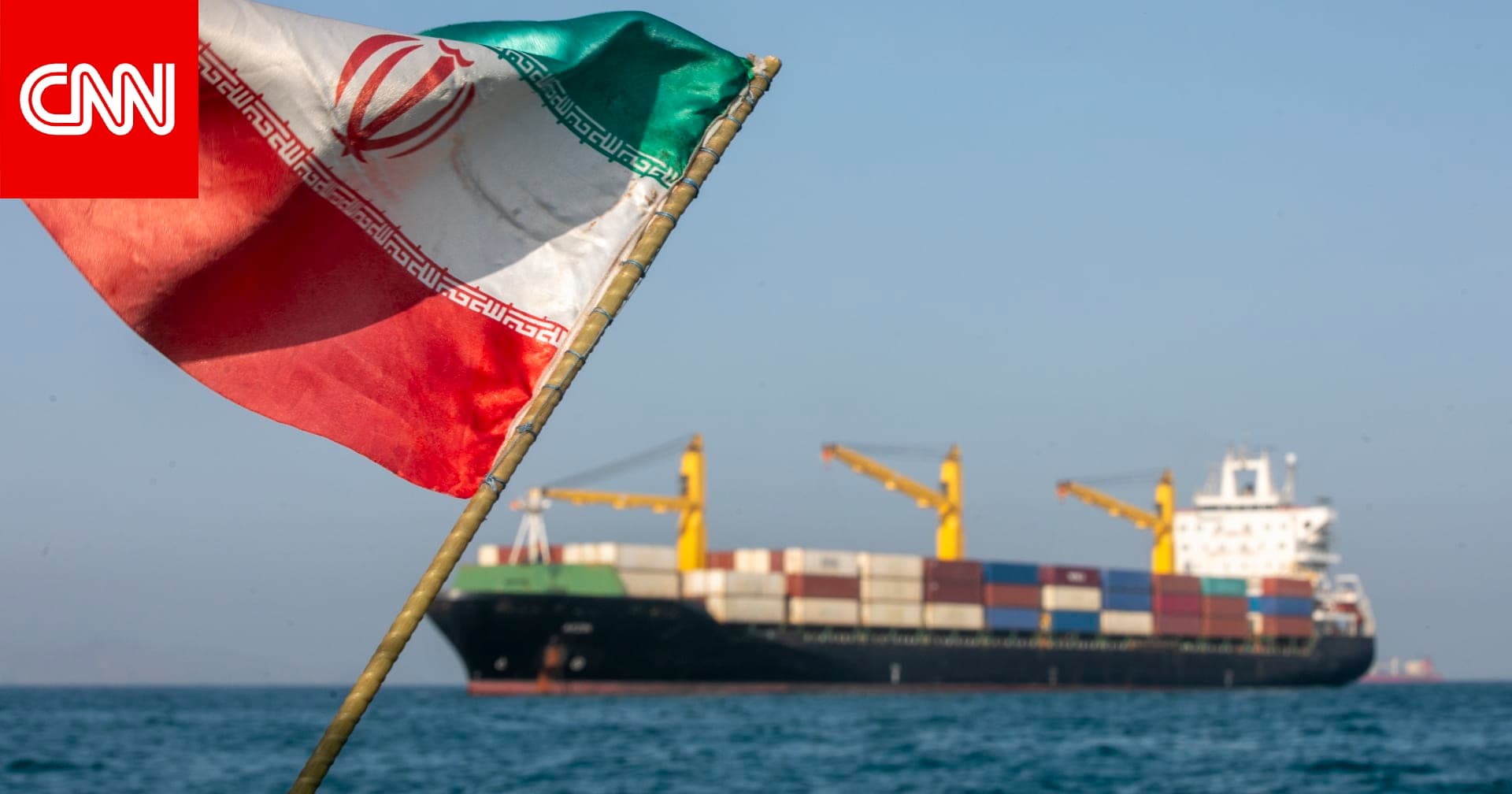
The Islamic Republic of Iran has firmly responded to President Donald Trump's remarks, unequivocally rejecting the notion of declaring the strait as American territory, while affirming its unwavering resolve to defend its territorial sovereignty against military and political threats.
Iran's Firm Stance Against US Threats
Iranian Vice Foreign Minister Kazem Gharibabadi stated that seizing this vital waterway is impossible via tweets, executive orders, or military displays, emphasizing that Tehran fears none of these tactics. He further noted that the decision to open or close the strait remains exclusively under Iranian authority, warning that the blockade will persist as long as Washington refuses to accept reality and abandon its illusions.
This response follows Trump's claim in Nassau County, New York, that his country imposes a blockade preventing ships from passing without permission, a move requiring indefinite US troop deployment, contradicting his previous pledge of a short war with Iran.
Current Status of Diplomatic Talks
Earlier this week, Trump mentioned that the US is holding low-level talks with Tehran, clarifying in an interview that these interactions do not constitute full negotiations but rather limited, partial dialogues with restricted scope and impact.
Meanwhile, Iranian Foreign Minister Abbas Araghchi denied any final decision to resume official negotiations with the US side, noting that messages exchanged between mediators Qatar and Pakistan do not reach the level of substantive talks.
Background of Regional Tensions
These statements emerge amidst escalating tensions between Tehran and Washington, as the new US administration seeks to bolster its influence in the Middle East, while Iran insists on maintaining sovereignty over the Strait of Hormuz as a non-negotiable red line.
The region remains in suspense regarding next steps, whether diplomatic or military, with potential significant impacts on oil prices and global maritime security if any declared threats are implemented.
Related Articles
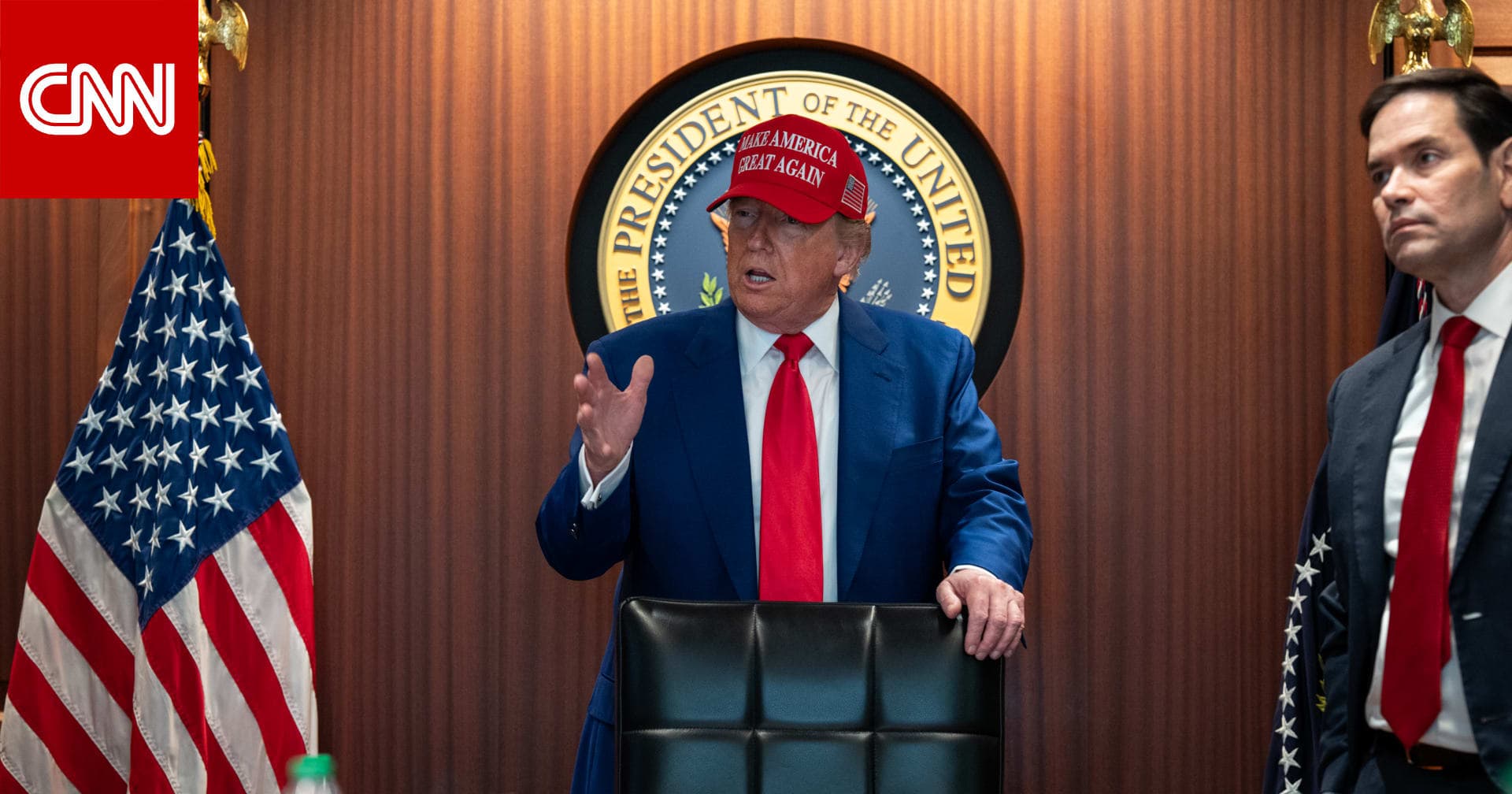
Policy U-Turn: Trump Halts Iran Negotiations and Reverts to Economic Strangulation Strategy
US President Donald Trump announced the suspension of all negotiations with Iran and a return to an economic strangulation strategy, amid contradictions regarding the seriousness of previous dialogues and fears over the repercussions of tensions with Oman concerning the regulation of navigation in the Strait of Hormuz.

US-Iran Peace Deadline Ends Amid Rising Tensions
The sixty‑day peace window set by the U.S.–Iran memorandum has lapsed, sparking heightened tensions. Trump mentioned a secret channel with the Revolutionary Guard and warned Oman against hindering Hormuz operations, while reports reveal a covert Iranian plan to upscale the conflict and rebuild missile capabilities. Fears of nuclear weapon use persist, leaving the future of the strait and Iran’s nuclear program uncertain.

Iran Redirects Detained Emirati Oil Tanker to Bandar Abbas Port
Iran redirected a detained Emirati oil tanker to Bandar Abbas after deeming it in breach of Iranian transit rules, highlighting ongoing tensions in the strategic strait.