Major Developments in Iranian File: Demands for Pilot Release and Iranian-Omani Agreement on Maritime Navigation

Iran has demanded Qatar release three Iranian pilots detained after a March 2026 air operation, and announced a deal with Oman to map navigation routes through the Strait of Hormuz.
Pilot Detention Details
Brigadier General Mohammad Baqerzadeh, head of the Iranian armed forces’ Missing Persons Committee, said pilots Javad Salehi, Abdul‑Majid Dashtian and Omran Beh Roshnian were captured alive in Qatar after their Su‑24 aircraft were shot down on March 2, 2026. He noted that Qatar has denied the pilots any contact with families or representatives for six months, urging the International Red Cross to assess their health and facilitate release.
Oman Agreement on Hormuz
Spokesperson Ismail Baghaei announced an agreement with Oman to establish a "maritime traffic map" for the Strait of Hormuz, describing it as a joint institutional effort involving security, defense and environmental agencies. He clarified the pact is unrelated to U.S. cease‑fire talks and aims to secure safe ship passage.
Regional Context
The moves come amid ongoing tension with the United States, which labels Iran as "extremely evil" and warns of rising fuel prices due to the conflict. Foreign Minister Abbas Araghaji highlighted neighboring states as a key economic pillar for Iran under sanctions, stressing that any decision to open or close the strait rests with Tehran.
With peace negotiations stalled, the future of oil flow through Hormuz remains uncertain, while President Ebrahim Raisi warns of the war’s severe impact on Iran’s economy.
Related Articles
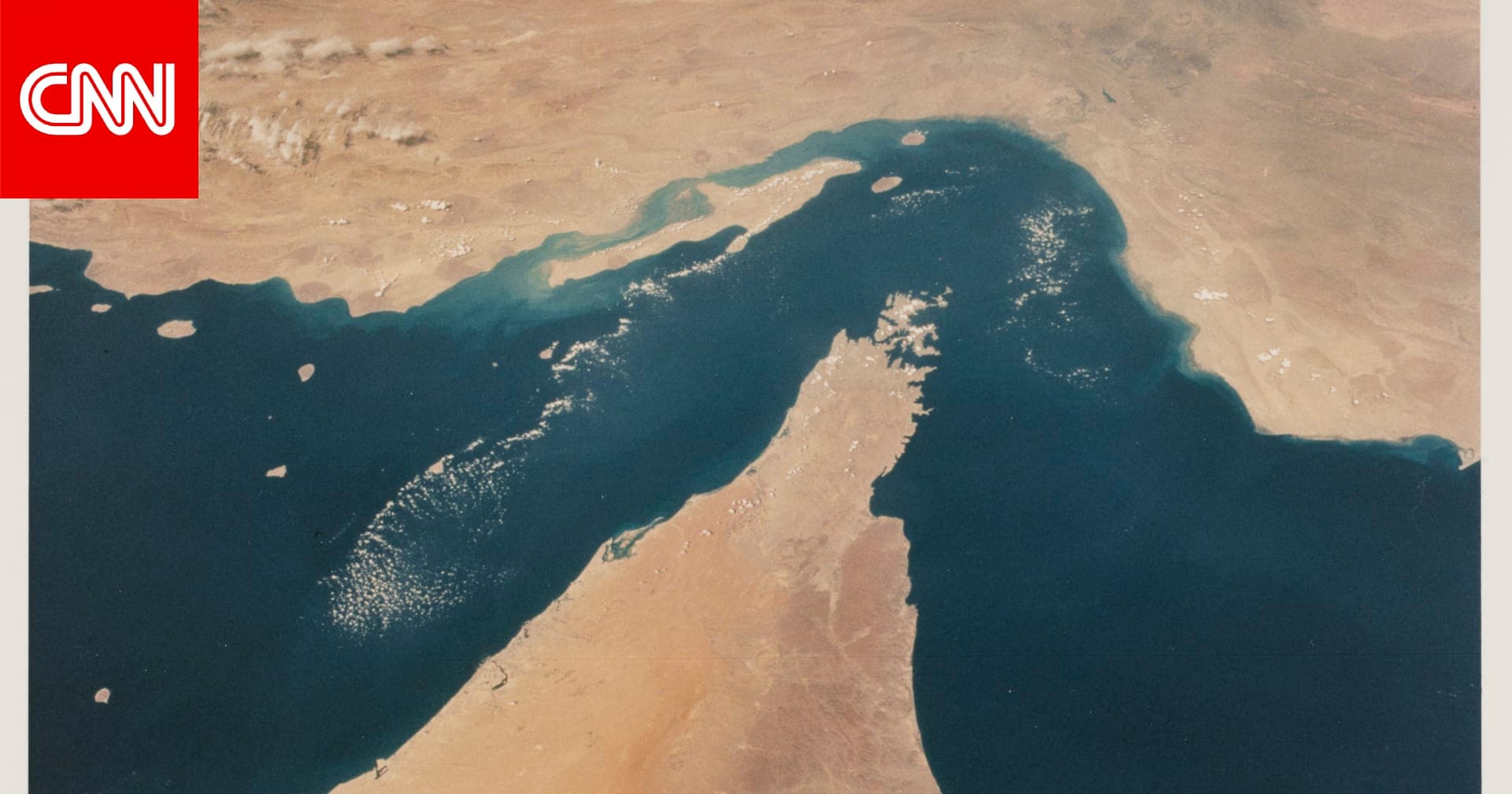
Doha Backs Omani-Iranian Mediation to Calm Strait of Hormuz Despite US Threats
The Qatari Foreign Ministry announced its support for Omani-Iranian mediation regarding the Strait of Hormuz, affirming that dialogue is the only solution to the escalation. This comes despite US President Donald Trump's threats to attack Oman if it obstructs Washington's efforts. A Qatari official stressed the necessity of a ceasefire and ensuring freedom of navigation to resume diplomacy.

Iran Redirects Detained Emirati Oil Tanker to Bandar Abbas Port
Iran redirected a detained Emirati oil tanker to Bandar Abbas after deeming it in breach of Iranian transit rules, highlighting ongoing tensions in the strategic strait.
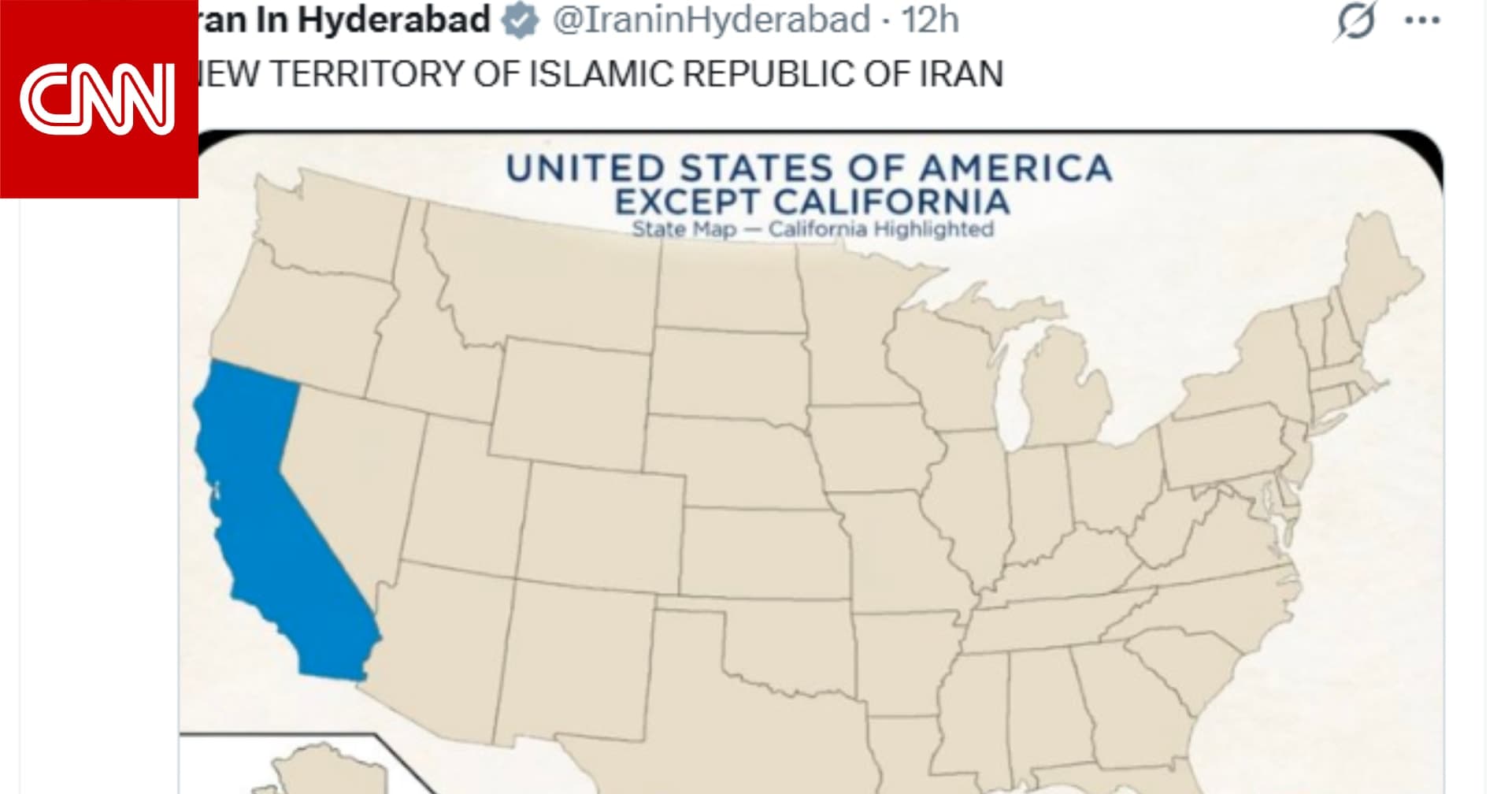
Iranian Diplomats Mock Trump's Hormuz Claim with Map Showing 'Iranian California'
Iranian diplomats in India mocked Donald Trump's claim on the Strait of Hormuz by posting a map showing California as Iranian territory, referencing the large Iranian diaspora in Los Angeles, known as Tehranjles.