Iran Passes Bill to Combat Foreign Espionage

Iranian lawmakers voted on Sunday evening to approve a bill aimed at preventing foreign intelligence agencies from infiltrating the country. This legislative move comes amidst growing concerns in Tehran regarding external interference in its internal affairs.
Voting Details and Parliamentary Approval
Abbas Koudrizi, spokesperson for the Presidency of the Consultative Assembly, announced that 183 deputies voted in favor of adopting the new plan. This followed the National Security and Foreign Policy Committee's overwhelming approval of the plan's outlines, reflecting broad consensus within the legislative body on the severity of information threats.
Background of Recent Diplomatic Tensions
This legislative step coincided with the Iranian Intelligence Ministry's announcement yesterday of arresting two French diplomats for interfering in internal affairs. The ministry stated that the signature of the former French ambassador was found within documents related to an espionage project, highlighting the current security sensitivity between Tehran and Paris.
The plan aims to strengthen Iranian sovereignty by tightening oversight on semi-official activities that could threaten national security. Tehran views such measures as essential for protecting its political stability from increasing external conspiracies.
Related Articles

Iran Redirects Detained Emirati Oil Tanker to Bandar Abbas Port
Iran redirected a detained Emirati oil tanker to Bandar Abbas after deeming it in breach of Iranian transit rules, highlighting ongoing tensions in the strategic strait.
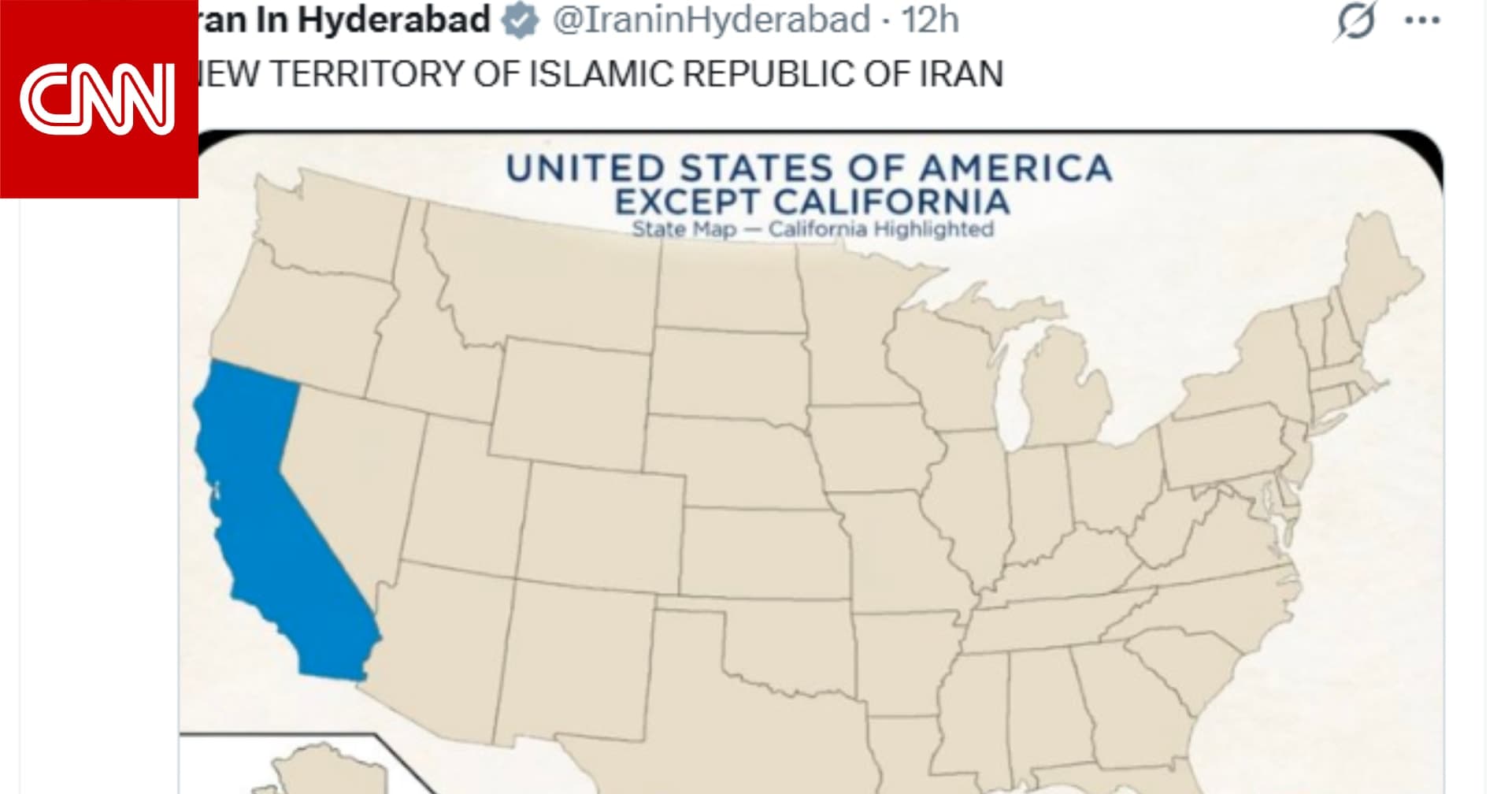
Iranian Diplomats Mock Trump's Hormuz Claim with Map Showing 'Iranian California'
Iranian diplomats in India mocked Donald Trump's claim on the Strait of Hormuz by posting a map showing California as Iranian territory, referencing the large Iranian diaspora in Los Angeles, known as Tehranjles.

Regional Escalation: Iran Threatens Military Action if Diplomacy Fails, Detains UAE Oil Tanker in Hormuz
The region faces comprehensive Iranian escalation, including threats of military action if diplomacy fails and the detention of a UAE oil tanker in the Strait of Hormuz, amid tense reactions from Washington and its allies, raising the risk level for Gulf security and global energy stability.