Iran Appoints Hardline General Raisi to National Security Council, Signaling Militarized Strategy

International policy experts have analyzed the recent military appointments made by Iran's Supreme Leader Majtaba Khamenei, highlighting the increasing dominance of the IRGC over political and military decisions in Tehran.
Leadership Changes Reflect Pressure Strategy
On Monday, Majtaba Khamenei appointed veteran IRGC commander Mohsen Rezaei as the head of Iran's National Security Council, as part of a series of appointments that include six other high-ranking military positions. Sina Azodi, an assistant professor at George Washington University, stated that Rezaei represents a faction believing that inflicting pain on Washington and continuously pressuring President Donald Trump is the only way to achieve concessions.
Azodi added that this position highlights the growing influence of the IRGC within a comprehensive Iranian strategy aimed at prolonging the current conflict and ensuring the defeat of Trump's allies in upcoming US congressional elections, thereby strengthening Tehran's negotiating position through military might.
Shift Towards Security and Intelligence Apparatus
Saeed Golkar, an associate professor at the University of Tennessee, suggested that these appointments may be an attempt by Khamenei to consolidate political control through his allies, anticipating potential popular uprisings due to escalating economic pressures on the country. The Supreme Leader has not appeared publicly since assuming office following the death of his father, Ali Khamenei, at the start of the war, making this his first major move in distributing top positions.
Golkar noted that most of the other six appointees have intelligence backgrounds, indicating a shift in the Islamic Republic towards a bureaucratic system dominated by security and intelligence agencies rather than traditional military operations. The appointments included Hossein Taeb, former head of intelligence and a close ally of Khamenei, who will now lead the Basij, a semi-military volunteer militia affiliated with the IRGC.
The expert considered the appointment of Taeb and Ahmad Vahidi as the commander-in-chief of the IRGC to be a continuation of the approach challenging the United States, particularly in the Strait of Hormuz, and does not indicate any moderation or normalization in Iran's stance. This move confirms Iran's increasing reliance on security and intelligence aspects as a primary tool in its foreign and domestic policies alike.
These transformations come against the backdrop of the Supreme Leader's conspicuous absence from public events, reinforcing the role of security apparatuses as the de facto decision-makers in the country. Analysts suggest that this step may heighten regional tensions, especially with ongoing tensions in the Strait of Hormuz, which remains a vital artery for global energy.
Related Articles
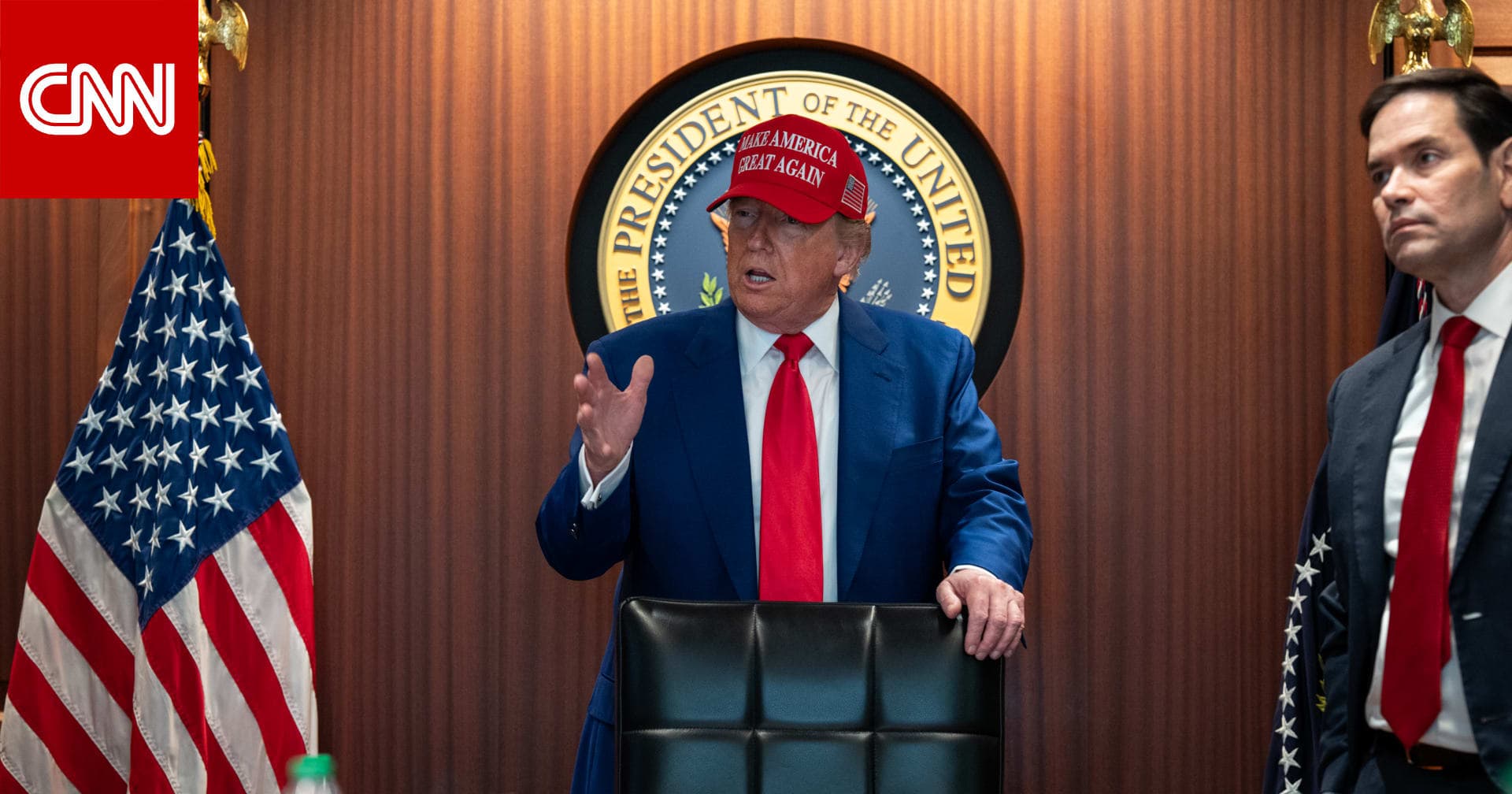
Policy U-Turn: Trump Halts Iran Negotiations and Reverts to Economic Strangulation Strategy
US President Donald Trump announced the suspension of all negotiations with Iran and a return to an economic strangulation strategy, amid contradictions regarding the seriousness of previous dialogues and fears over the repercussions of tensions with Oman concerning the regulation of navigation in the Strait of Hormuz.

US-Iran Peace Deadline Ends Amid Rising Tensions
The sixty‑day peace window set by the U.S.–Iran memorandum has lapsed, sparking heightened tensions. Trump mentioned a secret channel with the Revolutionary Guard and warned Oman against hindering Hormuz operations, while reports reveal a covert Iranian plan to upscale the conflict and rebuild missile capabilities. Fears of nuclear weapon use persist, leaving the future of the strait and Iran’s nuclear program uncertain.

Iran Redirects Detained Emirati Oil Tanker to Bandar Abbas Port
Iran redirected a detained Emirati oil tanker to Bandar Abbas after deeming it in breach of Iranian transit rules, highlighting ongoing tensions in the strategic strait.