The Strait of Hormuz Battle: Who Controls It Between Iran and the United States Amid Shifting Oil Navigation
Transit Details and Evasion Tactics
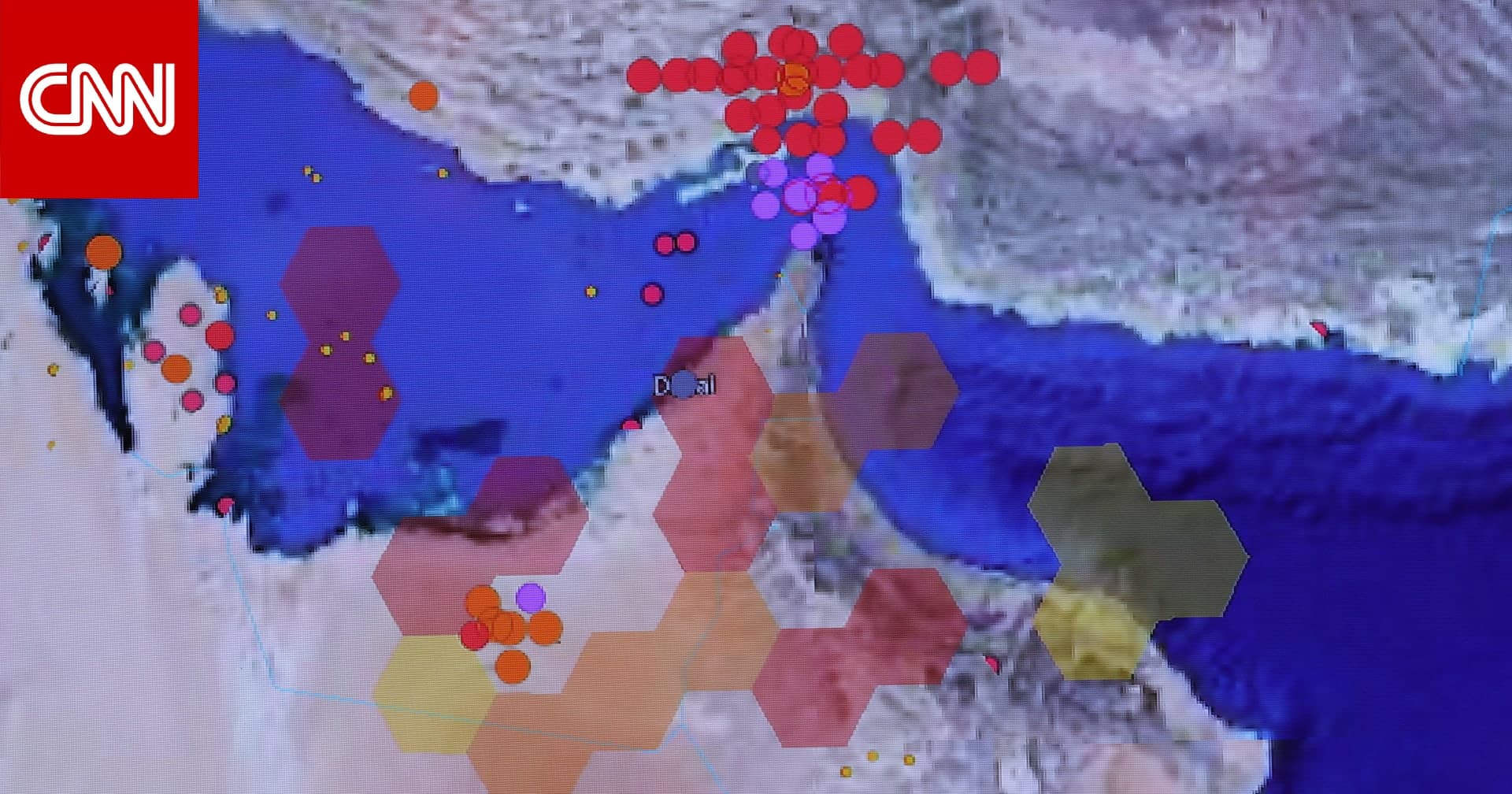
Kepler, a firm specializing in satellite-based shipment tracking, revealed that over 80% of vessels transiting in the past two weeks utilized the internationally recognized Omani route. This path, strongly opposed by Iran, has become the safe haven for tankers avoiding potential attacks on northern Iranian coasts. Despite Tehran's threats and attempts to levy transit fees, most companies have disabled the trackers on their Very Large Crude Carriers (VLCCs) to evade Iranian monitoring. This practice, known as 'dark shipping', has slipped past some commercial tracking firms, yet the United States retains the capability to monitor every movement in the strait with precision.Geopolitical Context and Figures
A month ago, traffic via the Omani route was virtually nonexistent, but the situation has changed drastically with US security guarantees. US Energy Secretary Chris Wright noted that oil flow reached approximately 15 million barrels per day, a figure nearing pre-war levels that exceeded 20 million barrels. This relative openness negatively impacts Iran's ability to impose fees or disrupt trade, especially after the US-Iran memorandum expired without Tehran successfully regaining practical control. Analysts argue the US goal is deterrence rather than absolute control, while Iran struggles to maintain an image of strength despite losing practical hegemony.Related Articles

Iranian Army Announces $30,000 Reward for Killing or Capturing a US Soldier
Iranian Army Commander announces a $30,000 bounty for killing or capturing US soldiers, double for women, amid a sharp decline in Hormuz shipping traffic due to ongoing tensions and stalled diplomatic talks between Tehran and Washington.

Azizi Attacks Trump: Personal Security Trumps Hormuz Bluffs
Iranian MP Ibrahim Azizi mocked US President Donald Trump, urging him to focus on personal security rather than threatening to seize the Strait of Hormuz. This response followed Trump's claims of making the strait US territory, while Iranian and global officials rejected any infringement on sovereignty or navigation freedom, citing concerns over global energy supply disruptions.
Sharp Drop in Vessel Traffic Through the Strait of Hormuz Over the Weekend
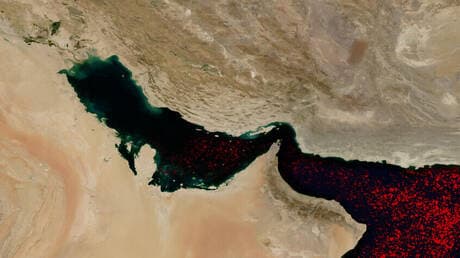
A sharp drop in vessel traffic through the Strait of Hormuz over the weekend, with only five ships on Saturday and none on Sunday, reflects ongoing US‑Iran tension and its impact on oil prices. Analysts note firm positions on both sides and the potential use of alternative routes to ease energy crises.