Trump's Economic Pressure on Tehran: Inflation Reality and Debt Burden on Iranians

The Iranian economy is facing a rapid collapse amidst official and public acknowledgments of the crisis's depth, while US President Donald Trump insists on using financial suffering as a political leverage card in ongoing negotiations with Tehran.
Admissions of a Catastrophic Economic Reality
The US President confirmed that Washington's strategy relies on inflicting severe economic pain on Iran, noting that negotiations are limited to monitoring amidst huge inflation and chronic financial deficits the state lacks resources to combat. This statement reflects a harsh reality on the ground, as Iranian media reports revealed a state of financial despair, with officials and official accounts admitting that social discontent is constantly renewed due to declining purchasing power and unprecedented unemployment rates.
Food prices skyrocketed by nearly 130% over the past year, while wage increases for workers remained extremely limited, failing to cover these costs, pushing millions to resort to credit apps and microloans to cover basic daily expenses like transportation and food. Economic experts in Tehran warned that the situation resembles a patient suffering from severe hemorrhage, and that any additional shock, such as cutting fuel subsidies, could be a fatal blow to livelihoods and lead to new waves of social unrest.
Crisis Background and International Forecasts
International financial institutions like the IMF forecast a 6% contraction in the Iranian economy this year, due to damages from the ongoing conflict and loss of production capacity, meaning any potential political settlement will not positively impact living standards for months. Despite the possibility of obtaining billions of dollars from frozen assets or oil and Strait of Hormuz revenues, these sources remain vulnerable to sudden cuts by Washington, making Iran's economic future hang in great uncertainty entirely dependent on external political decisions.
These developments confirm that human suffering in Iran has reached a critical point, where workers spend a large portion of their income on rent and accumulated debts, posing an existential challenge to Iranian families amidst the absence of radical solutions.
Related Articles
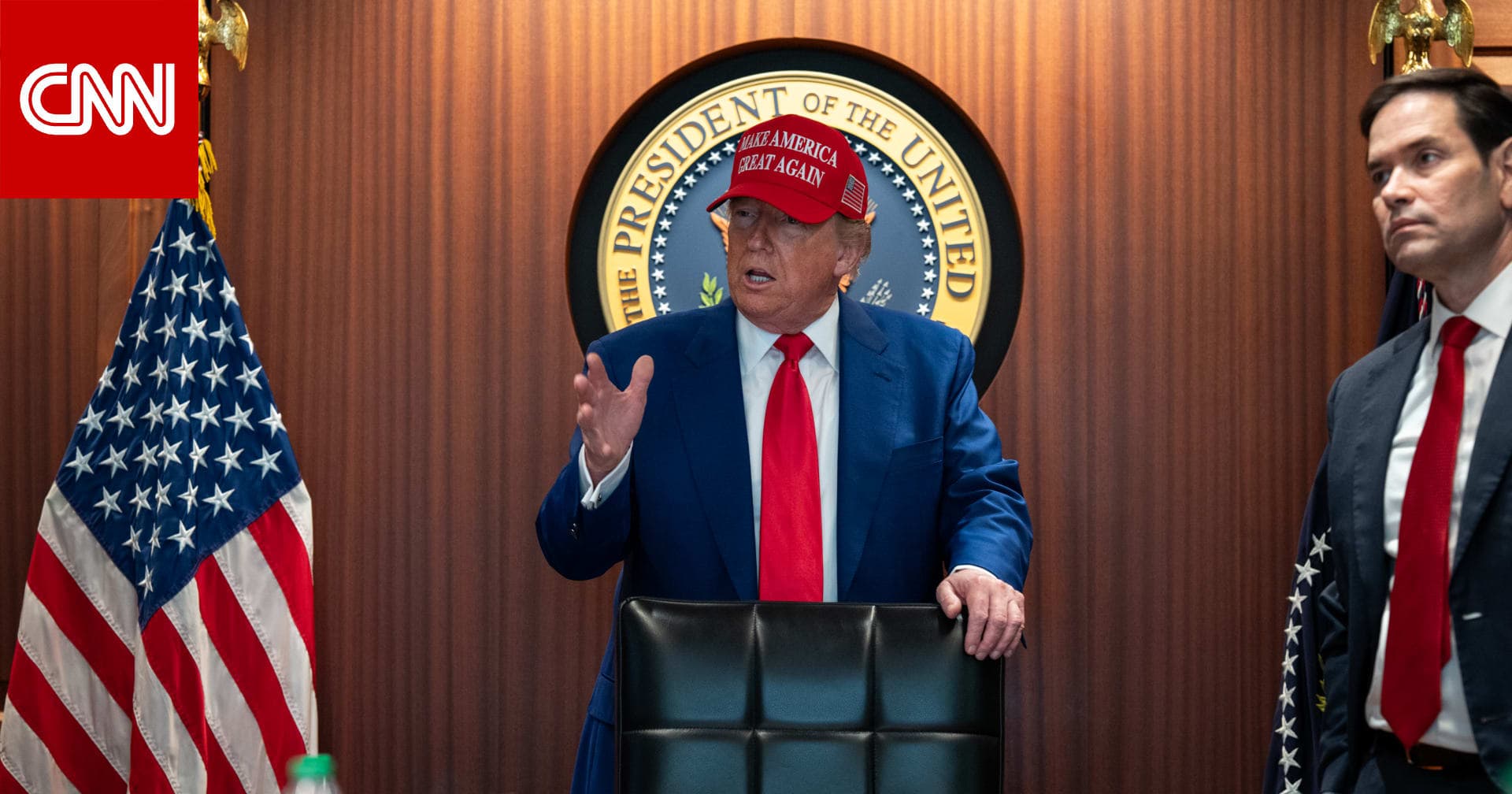
Policy U-Turn: Trump Halts Iran Negotiations and Reverts to Economic Strangulation Strategy
US President Donald Trump announced the suspension of all negotiations with Iran and a return to an economic strangulation strategy, amid contradictions regarding the seriousness of previous dialogues and fears over the repercussions of tensions with Oman concerning the regulation of navigation in the Strait of Hormuz.

US-Iran Peace Deadline Ends Amid Rising Tensions
The sixty‑day peace window set by the U.S.–Iran memorandum has lapsed, sparking heightened tensions. Trump mentioned a secret channel with the Revolutionary Guard and warned Oman against hindering Hormuz operations, while reports reveal a covert Iranian plan to upscale the conflict and rebuild missile capabilities. Fears of nuclear weapon use persist, leaving the future of the strait and Iran’s nuclear program uncertain.
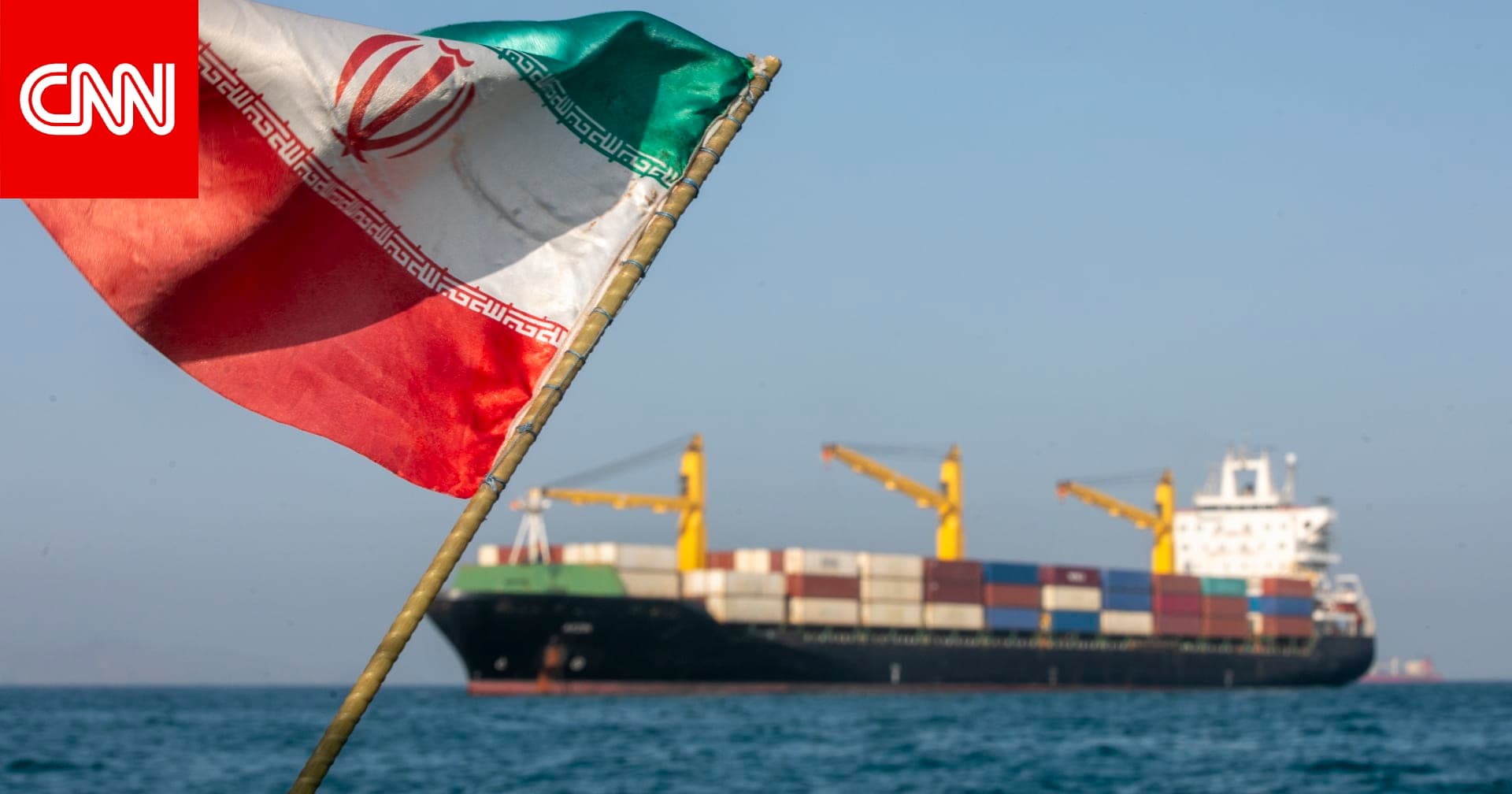
Tehran Rejects Trump's Threat to Occupy Strait of Hormuz, Asserts Sovereignty
Iran firmly rejected Trump's threat to occupy the Strait of Hormuz, asserting absolute control and refusing submission to US orders. Iranian officials denied conducting formal negotiations with Washington, describing current contacts as extremely limited.