Iran Demands International Compensation for Hormuz Gulf Environmental Damage
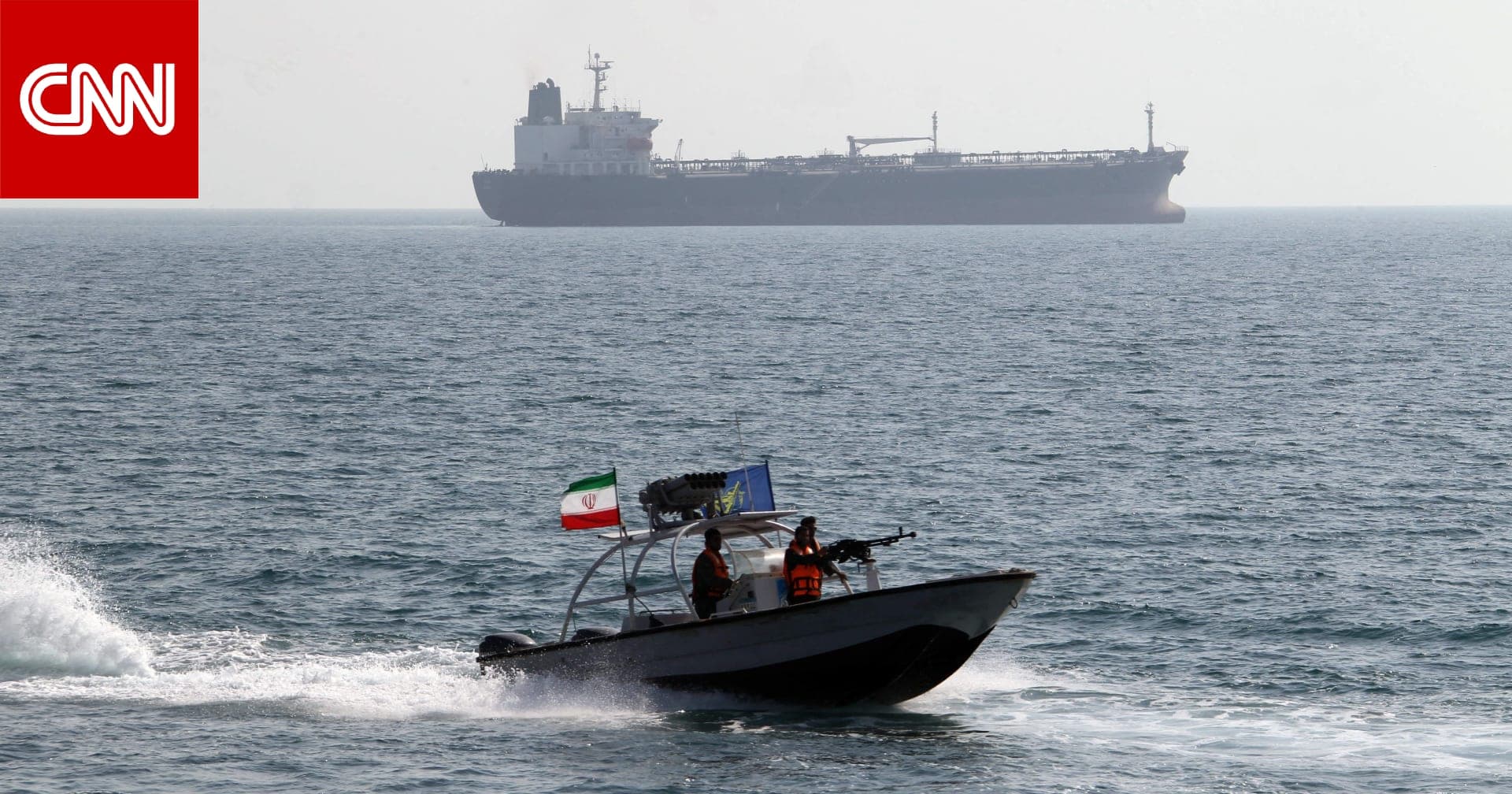
Iran has formally demanded legal and moral accountability from all beneficiaries of Hormuz Strait shipping traffic to compensate for the severe environmental damage inflicted on its marine ecosystem over several decades.
Ecological Decline and Responsibility Questions
Iranian Foreign Ministry spokesperson Esmaeil Baghaei stated on 'X' that energy-consuming nations and marine insurance companies bear the burden of addressing widespread pollution that has degraded the Gulf and Oman Sea waters. These practices have caused trillions of dollars in financial damage to Iran's coastal areas, presenting a significant challenge to international stakeholders responsible for maritime safety and environmental protection standards.
This statement follows the arrival of a dense oil slick on Qeshm Island shores near the Hormuz Strait, where Baghaei emphasized that this incident is not isolated but part of a continuous pattern of hidden and visible pollution threatening Iranian coastlines regularly and persistently.
Broad Regional Context
In a related development, Omani authorities warned of an oil spill from a sanctioned tanker carrying Russian crude, which polluted Ras Madrakah beaches, reflecting the danger of irregular maritime practices in the region. Previous reports indicate that such environmental disasters intensify with escalating security tensions and the transformation of waterways into testing grounds for military operations.
These developments underscore the need for strict international mechanisms to monitor environmental compliance in strategic waterways, especially as Hormuz remains a critical global shipping hub posing unacceptable environmental risks.
Related Articles

What the A1C Test Reveals About Blood Glucose Levels
The A1C test measures glycated hemoglobin, revealing average blood glucose over three months. Elevated results signal diabetes risk and related complications, prompting screening for under‑45 individuals with risk factors or symptoms. Blood sugar control relies on medication and lifestyle adjustments.
Abu Dhabi Culture and Arts Group Marks 30 Years of Nurturing Creative Talent
Abu Dhabi Culture and Arts Group marked its 30th anniversary, highlighting achievements in supporting artistic talent through training programs and festivals, and plans to expand its activities with digital initiatives fostering cultural innovation in the UAE.
Flight Attendant Turns Hotel Room Into Aircraft Watchtower
Indian flight attendant Manish Kumar turns a runway‑view hotel room into an aircraft‑watching spot, enjoying views of the Airbus A380 and Beluga and sharing the experience with his online followers.