Egypt Condemns Ethiopian Statements on Potential Nile Water Control
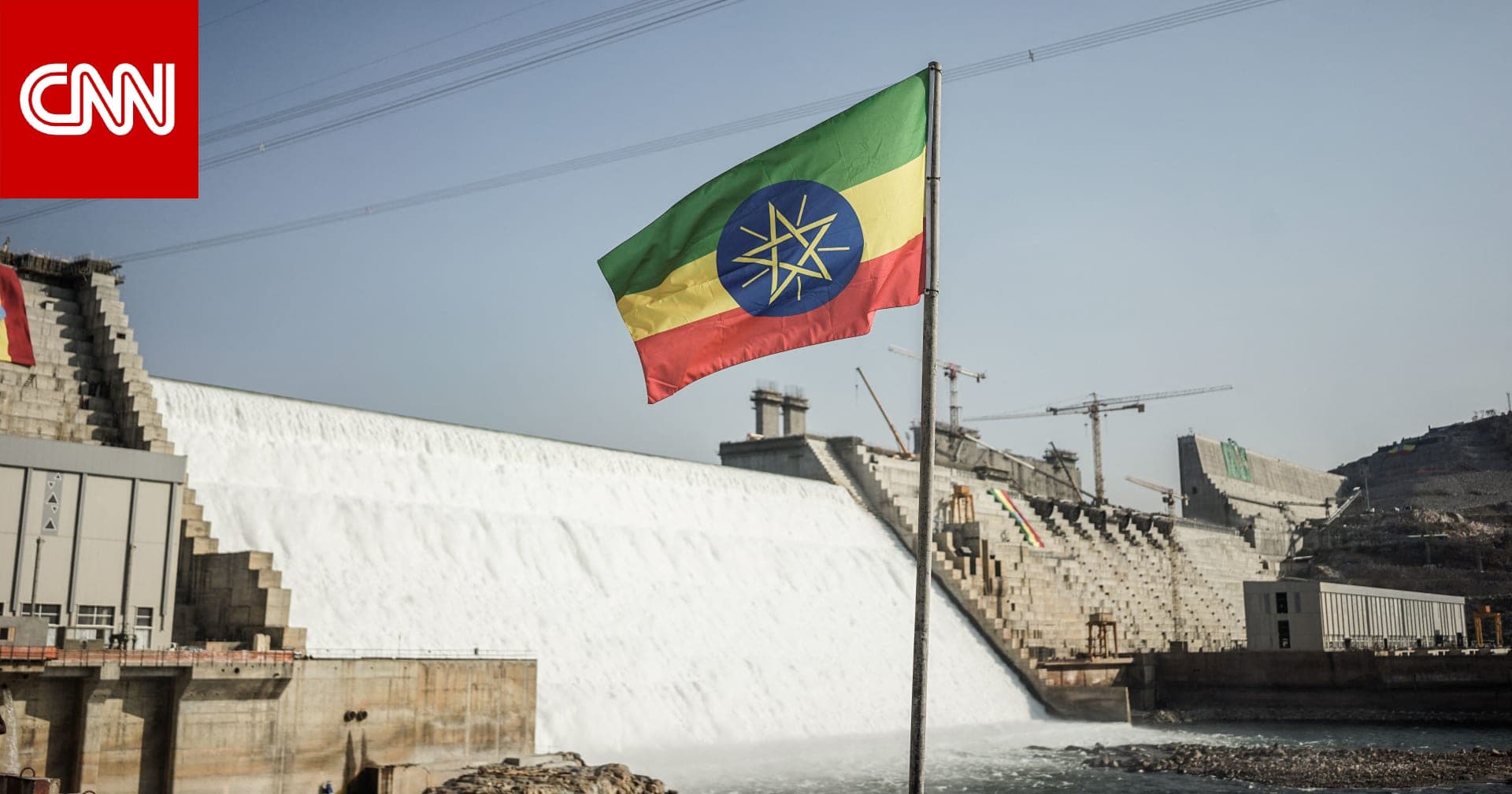
Egyptian officials have responded to recent Ethiopian statements about building additional dams on the Nile River and controlling water flows to Egypt and Sudan, calling them a blatant violation of international law.
Ethiopian Statements
The official noted that these statements reflect Ethiopia's continued illusions about imposing dominance over a shared international river, reminding that the Nile is not owned by any single country.
The official emphasized that Egypt will take all necessary measures to protect its people's rights to the Nile, indicating that Egypt's tools are diverse and capable of defending its interests.
Background
This comes amidst a long-standing dispute between Egypt, Ethiopia, and Sudan over the Grand Ethiopian Renaissance Dam on the Blue Nile, which Ethiopia deems crucial for its economic development aspirations.
This issue is vital for Egypt, which relies heavily on the Nile to meet its water needs.
Related Articles

Egypt Announces Decision on May Massacre Perpetrator
Egyptian authorities issue a decision on the main suspect of the May massacre, directing the case to the public prosecutor and affirming a commitment to transparency and law enforcement to restore public confidence.

Temporary Suspension of 'Bikini Bottom Complaints' Group After Surpassing 1.8 Million Members
The Facebook group 'Bikini Bottom Complaints' in Egypt has been temporarily suspended after surpassing 1.8 million members. The 59-day pause lasts until October 22, amid questions about the group's motives and posting frequency, despite admin assurances of its humorous nature. Launched on August 11, it saw a surge in engagement two weeks later, with members using AI tools to create satirical content.

Asil Awad: Alexandria a Unique Model of European Architecture in Egypt
Traveler Asil Awad highlights European architecture in Alexandria, noting its resemblance to Venice and its historical role as a hub for migrants.