Drone Attack on Fuel Tank at Zawia Refinery Raises Energy Security Concerns in Libya

A previously unidentified drone struck the 4‑4 kerosene tank at the Zawia refinery in western Libya, igniting a rapid fire inside the tank.
Incident details
National fire crews acted swiftly to extinguish the blaze within hours, and no casualties were reported.
The strike marks the fifth such attack in the past 72 hours, highlighting a rising threat to the region's oil facilities.
Context
Libya’s Presidential Council declared a state of emergency for the Zawia area, while MP Abdullah Al‑Lafi urged armed groups to refrain from endangering the nation’s livelihoods.
These attacks raise concerns over economic and environmental impacts, as the refinery is a key fuel supplier for the country.
Authorities are intensifying security measures to safeguard critical infrastructure.
Related Articles

Psychological Burnout Crisis on USS Abraham Lincoln Reveals the Cost of Ongoing War with Iran
Deteriorating psychological and living conditions are revealed aboard the US aircraft carrier "Abraham Lincoln" after more than 250 days at sea, amid observations of suicide attempts and complaints about service deterioration. This crisis occurs amidst the ongoing war with Iran without achieving a decisive victory, raising questions about the human cost of this strategy, despite the US Department of Defense's denial of deterioration reports.

Israeli Foreign Minister Calls Gaza Rubble Since Trump Plan, Rules Out Reconstruction
Israeli Foreign Minister says Gaza remains rubble since the Trump plan and rules out reconstruction until Hamas disarms, despite a UAE‑backed pilot infrastructure project in eastern Rafah and stalled international talks over funding.
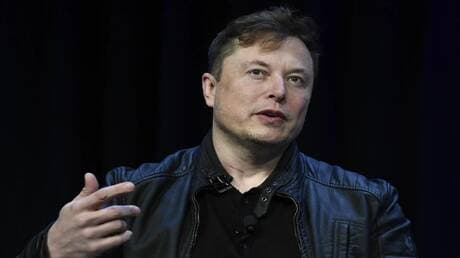
Elon Musk Announces Construction of the World's Largest Semiconductor Plant in Texas
Elon Musk announced the "Terafab" project in Texas, the world's largest semiconductor plant covering 9.3 million m² with an initial investment exceeding $16.8 billion. The facility will integrate all chip‑manufacturing stages, target over one terawatt of computing power annually, create around 3,000 jobs, and strengthen AI supply chains.