Al-Burhan Calls for Comprehensive Dialogue to End Sudan Conflict

Sudan's Sovereignty Council Chairman Abdel Fattah al-Burhan announced his willingness to launch a national dialogue that includes all political and civil groups to determine the country's future and find a political solution to the ongoing crisis.
Details of the proposal
Al-Burhan stressed that the dialogue must build on the Cairo Conference agreements and the latest consensus of the five‑member mechanism, insisting that a preparatory committee be composed of figures unaffiliated with any party and that all restrictions on free discussion be lifted.
He also warned that the Rapid Support Forces cannot remain a separate political actor, calling for their integration into the regular army under strict criteria or prosecution for any violations.
Crisis background
The five‑member mechanism, comprising regional powers, has yet to produce a unified statement, leading to a stalemate and heightened international pressure on the warring factions.
Al-Burhan seeks a comprehensive solution that ensures disarmament and a phased dialogue, amid dwindling supplies to the RSF and growing threats it poses to the central government.
If successful, the initiative could pave the way for ending the armed conflict and restoring stability in Sudan.
Related Articles

Romanticizing Solitude: How Influencers Turn Friendlessness Into A Lifestyle
Highlights the phenomenon of solitude influencers who document their lives without friends, claiming that isolation does not equate to unhappiness but is a conscious lifestyle choice challenging traditional social relationship concepts.
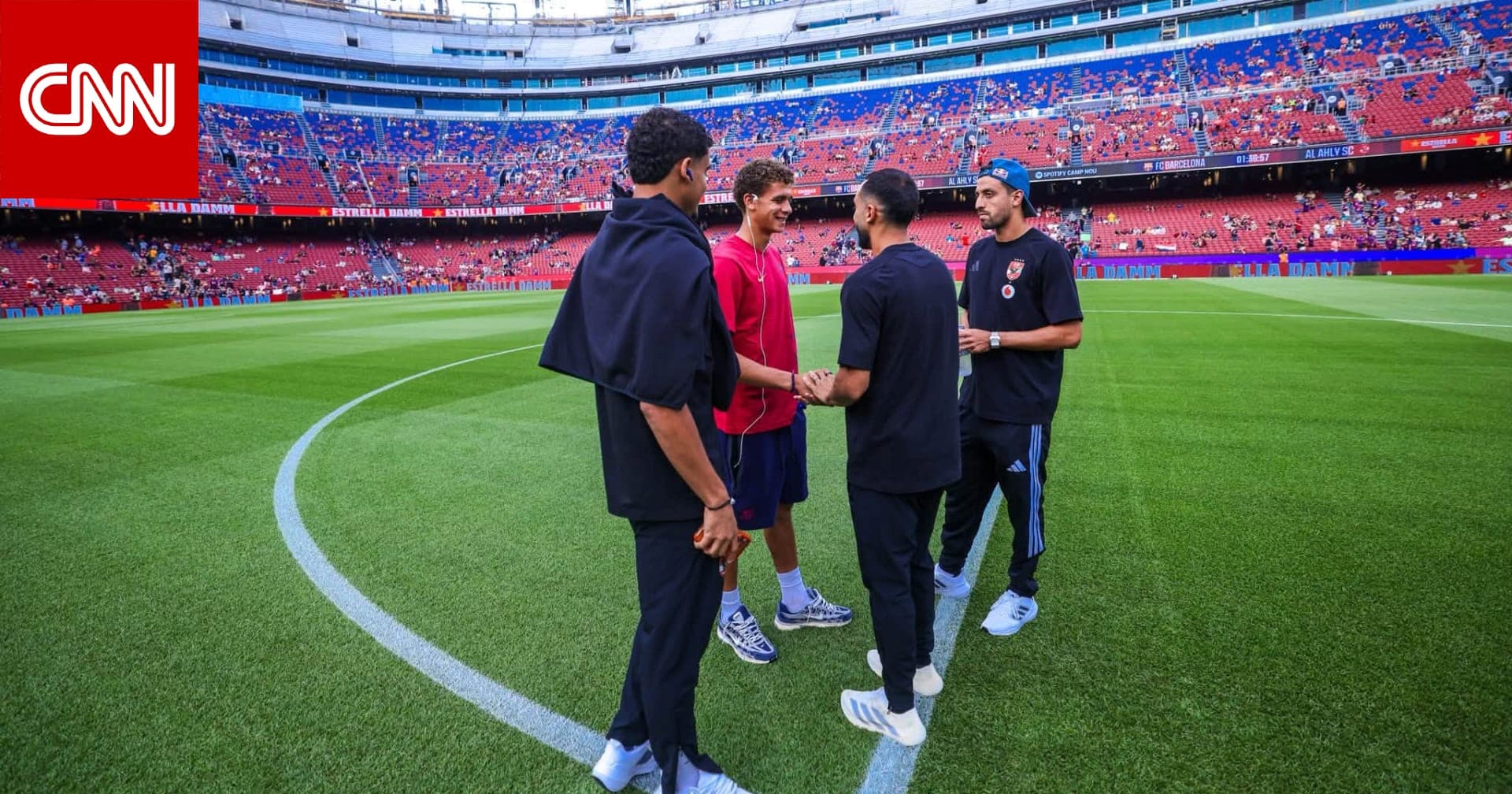
Hamza Abdel Karim Shares Warm Moments with Former Teammates Before Joan Gamper Final
In a scene blending sports and ethics, photographers captured Hamza Abdel Karim embracing his former Al Ahly teammates before the Joan Gamper Cup final, recalling his roots in Egypt before becoming a star at Barcelona.

Sudan and Saudi Arabia Establish a High-Level Strategic Cooperation Council
Sudan and Saudi foreign ministers signed an agreement in Riyadh to create a high-level strategic cooperation council covering ten key areas such as politics, economy and investment, aiming to deepen official partnership and expand economic collaboration.